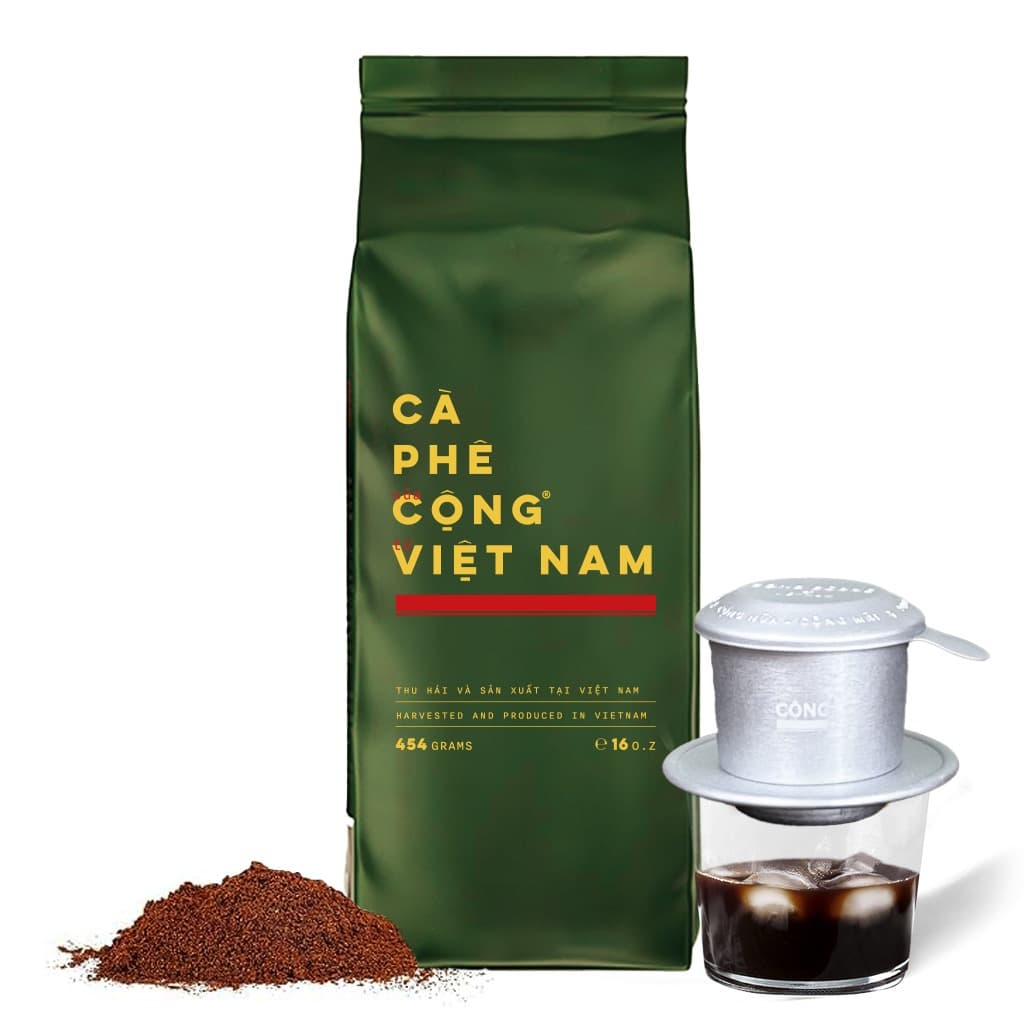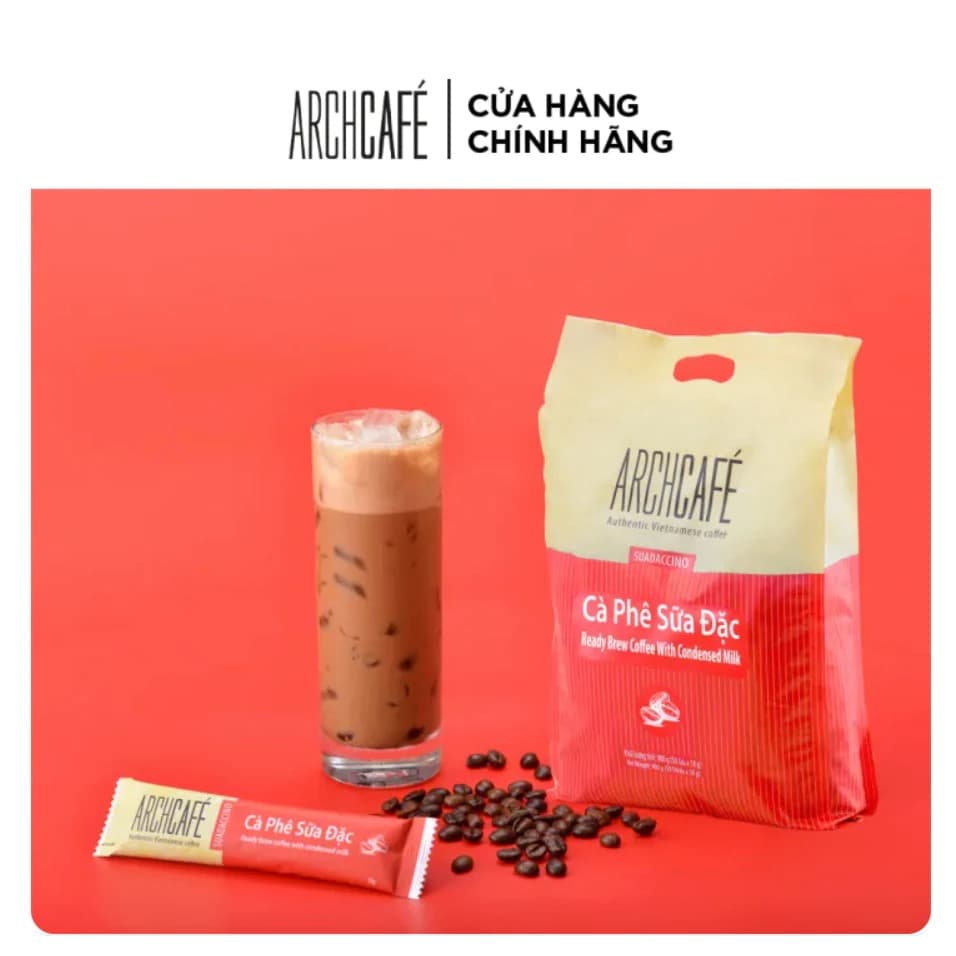
- Hard Vietnamese coffee represents a novel intersection between traditional Vietnamese brewing methods and alcoholic infusion, offering new sensory dimensions and consumer appeal.
- The global rise of hard coffee beverages is driving innovation in extraction techniques, alcohol pairing, and product formulation within the Vietnamese coffee segment.
- Understanding the chemical interactions between caffeine, coffee polyphenols, and ethanol is essential for optimizing stability, flavor profile, and bioavailability in hard Vietnamese coffee products.
- Regulatory frameworks and labeling requirements for alcoholic coffee beverages present unique challenges for producers targeting international markets.
- Future industry growth depends on balancing authenticity, functional benefits, and consumer expectations amid evolving global drinking cultures.
Hard Vietnamese coffee is emerging as a compelling category within the broader hybrid beverage market, blending the rich sensory profile of traditional Vietnamese coffee with the stimulating effects and social connotations of alcohol. This innovative product class leverages Vietnam's robust coffee culture characterized by slow-drip brewing methods and dark roast techniques, infusing them with variable alcoholic content—typically spirits such as rum, vodka, or local rice wines. The technical intricacies of this niche involve a detailed understanding of both coffee chemistry and alcohol science, which ultimately affect product stability, flavor complexity, and consumer acceptability in diverse global markets.
Scientific Foundations of Hard Vietnamese Coffee
Chemistry of Coffee-Ethanol Interactions
The integration of ethanol into brewed Vietnamese coffee introduces a dynamic chemical interaction, affecting solubilization of key compounds and overall beverage matrix stability. Key constituents in coffee such as caffeine, chlorogenic acids, lipids, and Maillard reaction products display varying solubility and stability profiles when exposed to alcoholic media. Ethanol can enhance the extraction and retention of aromatic volatiles while potentially causing precipitation of certain proteins and polysaccharides that contribute to mouthfeel and body. The resultant hybrid beverage therefore requires precision in formulation to avoid undesirable sediment or flavor degradation during shelf life.
Furthermore, research indicates that ethanol presence may modulate the bioavailability of caffeine by affecting gastric emptying rates and intestinal absorption kinetics. This interaction influences the stimulant effect that consumers anticipate from traditional Vietnamese coffee, with possible augmentation or attenuation dependent on alcohol concentration and ratio. Detailed chromatographic and spectrometric studies are necessary to optimize the balance between stimulant efficacy and palatability in hard Vietnamese coffee products.
Extraction and Brewing Methodologies Adapted for Alcoholic Infusion
Traditional Vietnamese coffee preparation relies on slow drip extraction using robusta coffee characterized by high caffeine content and distinctive bitter and earthy flavors. The transposition of this method into hard coffee formulations commonly involves initially extracting the coffee concentrate followed by blending with spirits and additional ingredients. However, experimental modifications have been introduced, such as co-extraction with ethanol to leverage its solvent properties or sequential extraction protocols to modulate flavor intensity.
Emerging technologies in this domain include:
- Ultrasound-assisted extraction to enhance flavor compound retrieval.
- Cold brewing combined with ethanol infusion to reduce acidity while preserving aromatic complexity.
- Enzymatic treatment of coffee grounds prior to extraction to alter polyphenol profiles and bitterness.
These refinements are critical for producing a stable alcoholic coffee beverage that meets consumer expectations for both traditional authenticity and novel sensory experiences.
Market Dynamics and Regulatory Considerations
Global Consumer Trends Driving Hybrid Alcoholic Coffee Appeal
The rise of hard coffee beverages globally aligns with broader consumer preferences for functional, convenient, and experiential drinks. Hard Vietnamese coffee caters to multiple niche segments, including millennials and Gen Z consumers attracted by craft beverages, caffeine-fueled energy retention, and cultural authenticity. The hybrid nature of this product satisfies demand for lower-calorie alternatives to heavier cocktails while maintaining complexity through coffee's intrinsic bitterness and aroma.
Market segmentation reveals that hard Vietnamese coffee is found predominantly in urban centers with diverse ethnic populations and growing café cultures. Digital socialization platforms and influencer marketing amplify its reach and acceptance, especially in North America, Europe, and Southeast Asia. Forecasts anticipate compound annual growth rates exceeding 10% in alcoholic coffee markets, driven by product innovation, expanding distribution channels, and cross-border collaborations.
Regulatory and Labeling Framework Implications
Bringing hard Vietnamese coffee into global markets confronts manufacturers with a complex regulatory landscape pertaining to alcoholic beverage classification, caffeine content limitations, and health claims. Authorities in regions such as the European Union, United States, and ASEAN impose distinct restrictions on permissible alcohol by volume (ABV), additive declarations, and marketing language. Labeling must carefully balance transparency—especially regarding stimulant and intoxicant combination risks—and consumer information requirements.
Compliance challenges include:
- Adherence to maximum caffeine thresholds in combination with ethanol to address toxicity concerns.
- Clear listing of ingredients and possible allergens arising from additives used in coffee or spirit integration.
- Restriction on implied health benefits or energy enhancement claims under food and drug regulations.
Manufacturers must engage with food safety authorities and adopt rigorous testing protocols to ensure product approval and consumer safety, thereby facilitating market entry and sustained growth.
Production Technologies and Quality Control
Manufacturing Processes for Consistency and Safety
Scaling hard Vietnamese coffee production from artisanal to industrial levels necessitates carefully engineered process controls encompassing raw material selection, extraction parameters, blending accuracy, and bottling hygiene. The coffee's origin, roast profile, and grind size must be standardized to deliver consistent baseline flavors prior to alcoholic infusion. Spirits utilized should conform to food-grade standards with known organoleptic characteristics to prevent batch variability.
A typical production workflow includes:
- Roasting and grinding coffee beans to specified parameters.
- Extraction through drip, cold brew, or percolation techniques optimized for concentration and flavor balance.
- Blending with distilled spirits or fermented alcohol bases under monitored temperature and agitation conditions.
- Filtration to remove precipitates and enhance clarity.
- Pasteurization or microfiltration to mitigate microbial risks without impairing flavor compounds.
- Packaging in opaque or UV-resistant containers to preserve product integrity.
Automation and advanced process analytical technologies (PAT) enable real-time monitoring of chemical markers and sensory attributes critical to product quality.
Sensory Evaluation and Shelf-Life Stability
Ensuring prolonged shelf life while retaining the distinct sensory signature of hard Vietnamese coffee requires integrated analytical and sensory panels to evaluate changes in aroma, taste, mouthfeel, and visual appearance over time. Key parameters monitored include caffeine concentration, phenolic content, volatile compounds (e.g., aldehydes, ketones), and ethanol evaporation rates.
The balance between oxidative degradation and microbial stability is influenced by packaging atmosphere, antioxidant addition, and storage temperature. Sensory analysis frequently reveals that flavor notes characteristic of caramelization and smokiness diminish under prolonged exposure to oxygen, necessitating modified atmosphere packaging techniques.
Stability trials also assess the interaction between caffeine and ethanol relating to consumer perception of bitterness and perceived stimulant effect, ensuring that the beverage sustains its unique positioning against competitors.
Expert Analysis & FAQ
What are the main challenges in optimizing the flavor profile of hard Vietnamese coffee?
The principal challenge lies in balancing the intense bitterness and robust aroma native to Vietnamese coffee with the solvent and flavor-modulating effects of ethanol. Ethanol enhances solubility of volatile aromatic compounds but can also accentuate astringency and harshness. Precision in extraction time, temperature, and ethanol ratio is required to preserve desirable coffee notes like chocolate and caramel while minimizing unpleasant bitterness. Additionally, the selection of coffee variety and roast degree impacts compatibility with alcohol, where robusta's higher caffeine and bitterness pose formulation complexities compared to arabica.
How does ethanol affect the physiological stimulant effects of caffeine in hard coffee beverages?
Ethanol may alter the pharmacokinetics of caffeine, influencing both absorption and metabolic pathways. Scientific studies suggest that ethanol can delay gastric emptying yet increase intestinal permeability, modifying caffeine uptake rates. Moreover, concurrent intake elevates stress on hepatic enzymes responsible for caffeine metabolism, potentially prolonging stimulant effects or increasing side-effect risks such as palpitations or nervousness. Clear dosage control and consumer education prevent adverse reactions, which is critical given the combined stimulant-intoxicant nature of hard coffee products.
What regulatory trends could impact the future development of hard Vietnamese coffee internationally?
Regulatory authorities are increasingly scrutinizing the combination of caffeine and alcohol due to potential health risks. Initiatives include setting maximum allowable caffeine concentrations in alcoholic beverages, mandatory health advisories on packaging, and restrictions on marketing targeting vulnerable populations. Future legislation may demand more rigorous scientific substantiation for bioactivity claims, tighter labeling transparency, and enhanced safety evaluations. Compliance with these evolving standards will necessitate close cooperation between coffee producers, alcohol distillers, and regulatory consultants.
Are there sustainability considerations unique to the production of hard Vietnamese coffee?
Yes, sustainability encompasses both agricultural and manufacturing domains. Vietnam is among the world's largest coffee producers, with environmental concerns including deforestation, water usage, and pesticide reliance. Integrating sustainable farming practices, such as shade-grown coffee and organic cultivation, aligns with consumer demand for ethically produced beverages. On the manufacturing side, energy consumption during roasting, extraction, and alcohol distillation must be optimized using cleaner technologies. Packaging sustainability through recyclable or biodegradable materials is also increasingly prioritized within the hard coffee segment to meet environmental, social, and governance (ESG) criteria.