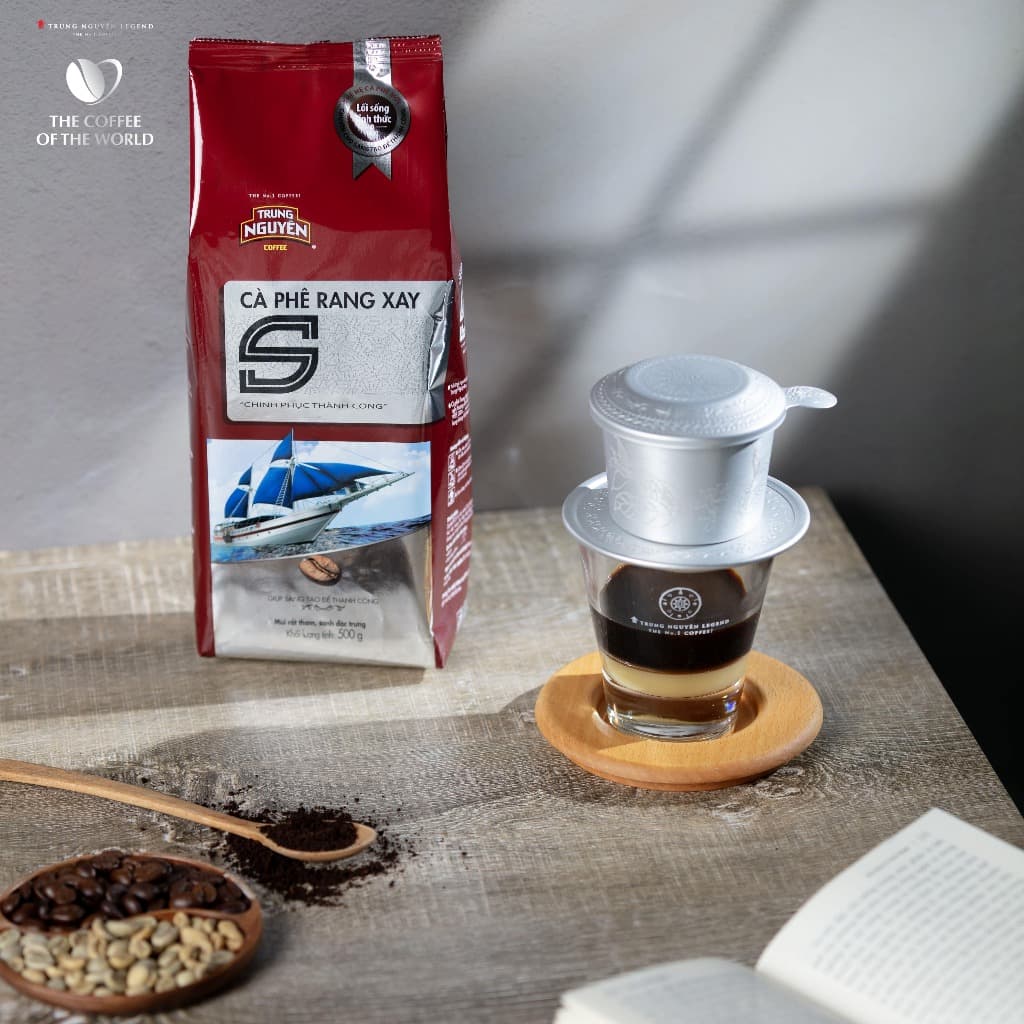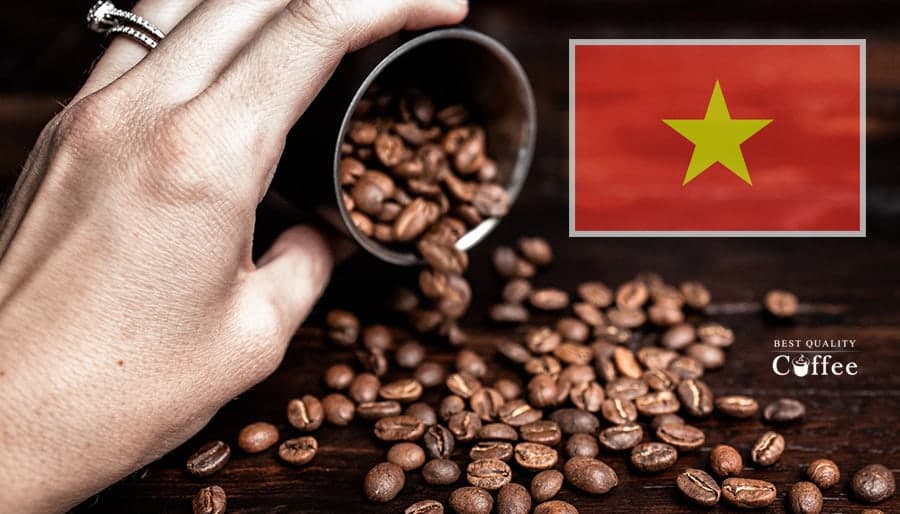
- Vietnamese coffee brands have experienced a 70% increase in global market penetration driven by premiumization and niche consumer demand.
- Technological innovations in processing and roasting techniques underpin improved product quality, meeting international specialty coffee standards.
- Export growth patterns reveal strategic regional dominance in Asia, North America, and Europe, facilitated by improved supply chain logistics and sustainability certifications.
- Emerging consumer awareness of Vietnamese coffee's distinctive sensory profiles is catalyzing expanded brand recognition beyond traditional markets.
- Future market expansion rests on continued investment in agronomic advancements, quality control, and brand positioning within competitive coffee ecosystems.
The surge in popularity of Vietnamese coffee brands, rising by approximately 70% over recent years, reflects an evolving global coffee landscape increasingly receptive to diverse and culturally distinct offerings. This phenomenon is not merely a consequence of casual trends but rather the intersection of rigorous advancements in coffee agronomy, processing methodologies, and international trade dynamics specific to Vietnam's coffee sector. As the world's second-largest coffee exporter, Vietnam's ascent in brand recognition corresponds with transformative technical and commercial developments that demand detailed examination.
Industry Growth Drivers
Technological Advances in Coffee Processing
Vietnamese coffee production has progressively integrated sophisticated processing techniques that enhance bean quality and consistency. The transition from predominantly wet processing to hybrid washing methods leverages controlled fermentation timelines and optimized moisture regulation, directly affecting the physicochemical attributes of the beans. Such advancements enable Vietnamese coffee to align with specialty coffee grading systems, including the Specialty Coffee Association (SCA) protocols, markedly enhancing export viability. Furthermore, precision roasting technologies have been adopted to accentuate distinct flavor profiles characteristic of robusta and arabica varieties grown in Vietnam's Central Highlands, particularly in regions of Dak Lak and Lam Dong.
Market Penetration and Consumer Preferences
The global appetite for diverse flavor experiences has substantially augmented demand for Vietnamese coffee brands, especially among consumers emphasizing sustainability and authenticity. Market analytics indicate a pronounced shift toward single-origin and traceable coffee products, with Vietnamese producers responding through certification acquisitions such as Fair Trade, Rainforest Alliance, and organic verification. This responsiveness has catalyzed growth in premium retail sectors and digital marketplaces worldwide, with targeted campaigns promoting Vietnamese coffee's unique attributes, including its fuller-bodied taste and distinctive roasting styles that differentiate it from Latin American or African coffee exports.
Geographical Market Expansion
Regional Distribution Patterns
Vietnamese coffee's growth exhibits distinct regional trends, characterized predominantly by rapid adoption in Asia-Pacific markets, followed by substantive gains in North American and European territories. The Asia-Pacific region benefits from cultural proximity and rising middle-class consumption, establishing Vietnam as both a supplier and a growing consumer base. Conversely, in Western markets, the emphasis is on premium quality and specialty coffee trends, where Vietnamese brands achieve differentiation through direct trade relationships and terroir marketing. These strategies are supported by enhanced logistics infrastructure, notably cold chain improvements and port modernization, reducing lead times and maintaining bean freshness during transit.
Supply Chain Optimization
Efficient supply chain management has been instrumental in scaling Vietnamese coffee brand presence internationally. The implementation of blockchain-based traceability systems and real-time inventory monitoring has augmented transparency, appealing to end consumers and institutional buyers alike. Additionally, cooperative models among smallholder farmers pooled into larger processing and export entities have strengthened bargaining power and ensured supply reliability. These mechanisms contribute to reducing post-harvest losses, improving quality control, and enabling volume scalability consistent with international demand spikes.
Scientific and Agronomic Factors
Varietal Composition and Cultivation Practices
The predominance of robusta coffee (Coffea canephora) cultivation in Vietnam is central to its distinctive market offering. However, increased arabica (Coffea arabica) plantings in select high-altitude areas are diversifying product lines and addressing specialty market requirements. Agronomic improvements, such as integrated pest management (IPM) and soil fertility optimization, have contributed to yield stabilization and quality enhancement. Research collaborations between governmental agricultural institutes and private sector entities focus on varietal improvement through genetic selection, aiming to increase resistance to coffee rust and minimize yield volatility amidst climatic challenges.
Flavor Profile and Sensory Differentiation
Vietnamese coffee's sensory attributes are distinguished by robusta's inherent higher caffeine content, fuller body, and bitter notes, combined with unique post-harvest processing influences. Complementing this, arabica variants cultivated in Vietnam introduce balanced acidity and aromatic complexity. Advanced sensory analysis employing gas chromatography-mass spectrometry (GC-MS) and cupping protocols elucidates the chemical compounds responsible for these profiles, guiding producers in optimizing roasting curves and blend configurations. This scientific elucidation supports targeted marketing strategies emphasizing flavor differentiation within competitive global coffee markets.
Expert Analysis & FAQ
What underlying factors have contributed most significantly to the 70% surge in Vietnamese coffee brands' popularity?
The 70% increase derives from synchronized advancements in agricultural practices, processing technology, and supply chain modernization. Furthermore, global consumer trends favoring specialty and ethically sourced coffees have positioned Vietnamese brands advantageously. Improved certifications and direct trade initiatives strengthen international credibility, while scientific enhancements in bean quality ensure compatibility with global palate expectations.
How do Vietnamese coffee brands differentiate themselves in a saturated global coffee market?
Differentiation is achieved through a combination of distinctive flavor profiles based on robusta dominance, innovative hybrid processing techniques enhancing quality, and strategic brand positioning as authentic, sustainable, and value-driven options. Emphasis on traceability and certification further elevates brand status, making Vietnamese coffee both unique and reliable amidst the competitive landscape.
What challenges may inhibit the continued growth of Vietnamese coffee brands internationally?
Challenges include climate variability impacting crop yields, potential market saturation in specialty segments, and the necessity for continual agronomic innovation. Additionally, maintaining rigorous quality control across dispersed smallholder supply chains and navigating import regulations remain critical. Strategic investments in research, infrastructure, and brand equity will be decisive for sustained market expansion.
To what extent do scientific innovations affect the quality and market acceptance of Vietnamese coffee?
Scientific innovations underpin key quality improvements that directly correlate with market acceptance. Precision agronomy, post-harvest processing refinements, and advanced sensory analysis enable producers to meet stringent international standards. These innovations facilitate product consistency and enhance flavor complexity, critical factors for success in premium and specialty coffee segments globally.
-01KE8ZY827VFTA2XHH366RJ467.jpeg&w=1920&q=75)