- Delta 8 THC has emerged as a significant compound influencing cannabis-derived product markets worldwide, driven by its distinctive psychoactive profile and regulatory complexity.
- Advancements in extraction and synthesis techniques have catalyzed scalable production, facilitating diverse application across consumer and medicinal sectors.
- Regulatory frameworks remain heterogeneous and dynamic, creating both challenges and opportunities for innovation and compliance in international markets.
- Consumer demand trends indicate a growing preference for delta 8 products due to favorable effects coupled with perceived legal advantages compared to delta 9 THC.
- Ongoing scientific research is critical to elucidate pharmacokinetics, safety profiles, and therapeutic potential, which will inform future market developments and policy decisions.
The compound delta-8-tetrahydrocannabinol (delta 8 THC) has rapidly evolved from a niche cannabinoid to a substantial influencer within the global cannabis and hemp industries. Its rise is attributable to a combination of chemical uniqueness, regulatory ambiguity, and consumer market demands that differ notably from the more extensively studied delta-9-tetrahydrocannabinol (delta 9 THC). This editorial provides a comprehensive analysis of the technical, market, and regulatory dimensions shaping delta 8 today, emphasizing its significance within the broader cannabinoid landscape.
Understanding Delta 8: Chemical and Pharmacological Fundamentals
Chemical Structure and Properties
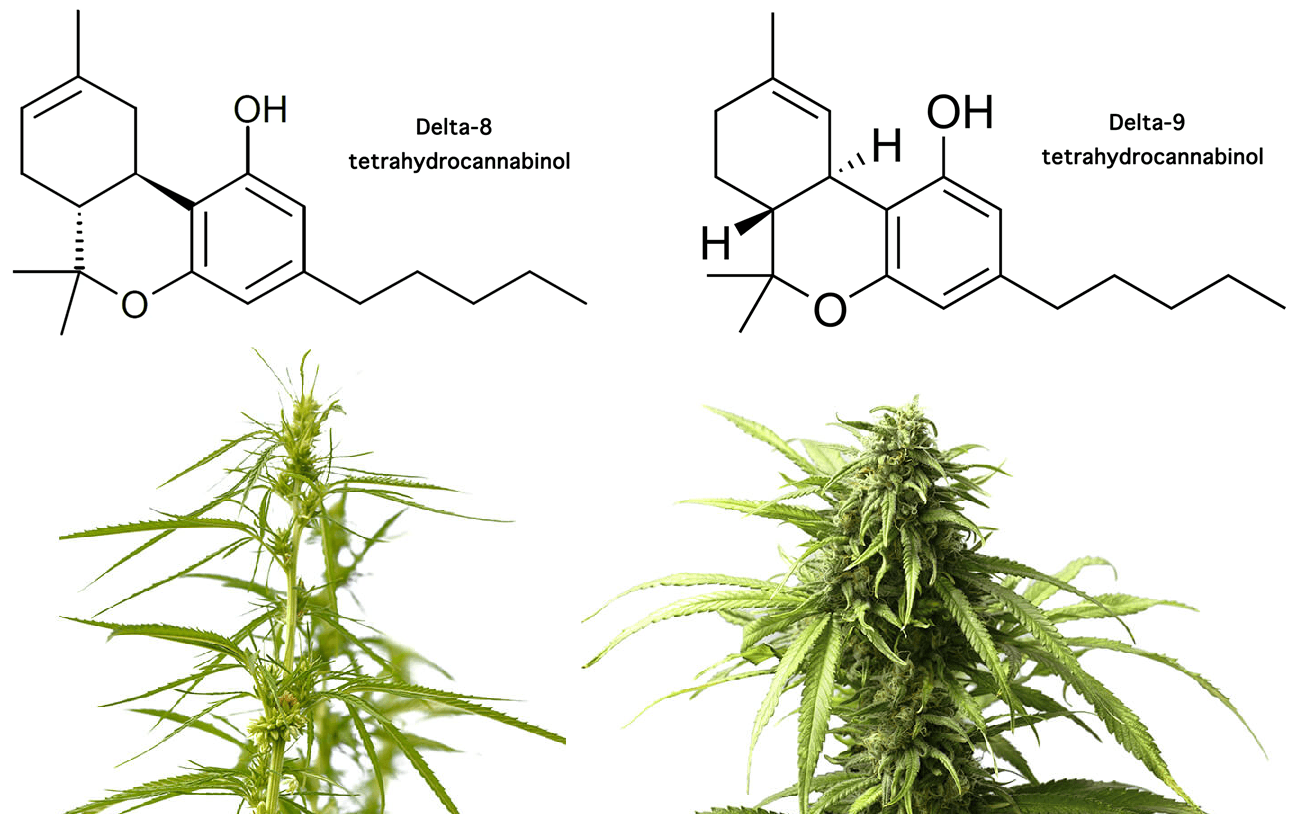
Delta 8 THC is an isomer of delta 9 THC, differing primarily in the position of a double bond within its molecular carbon chain. Specifically, delta 8 possesses this double bond on the eighth carbon atom, whereas delta 9's is on the ninth. This subtle structural variation confers distinct stability and binding affinity characteristics. Delta 8 is notably more resistant to oxidation and conversion to cannabinol (CBN), leading to enhanced shelf-life profiles relative to delta 9.
The pharmacological implications of this isomerism translate into varied receptor interactions within the endocannabinoid system, particularly at the CB1 and CB2 receptors. Delta 8 exhibits a lower psychoactive potency but still engages CB1 receptors to a meaningful degree. This differential receptor affinity underpins users' reports of a smoother, less anxious psychoactive experience, which has positioned delta 8 as an attractive alternative in the psychoactive cannabinoid market.
Extraction and Synthesis Techniques
Delta 8 THC is present only in trace amounts naturally within cannabis plants, necessitating the implementation of synthesis methods to achieve commercial-scale quantities. The predominant methodology involves isomerizing cannabidiol (CBD), which is abundant in hemp, into delta 8 via controlled chemical reactions. Common protocols include acid-catalyzed cyclization, utilizing reagents such as p-toluenesulfonic acid or Lewis acids under solvent and temperature conditions optimized for yield and purity.
Quality control during synthesis is paramount due to potential byproducts, including delta 9 THC, delta 10 THC, and other cannabinoids, as well as residual solvents and reagents. Hence, chromatography and spectroscopy techniques (HPLC, GC-MS, NMR) are standard for purity assessment and contaminant profiling. These quality assurance mechanisms underpin the generation of delta 8 products with consistent pharmacological effects and acceptable safety profiles.
Market Dynamics and Consumer Trends
Global Market Expansion
The delta 8 market has witnessed exponential growth catalyzed by legalization waves favoring hemp cultivation, particularly in North America. The 2018 U.S. Farm Bill, which federally legalized hemp with less than 0.3% delta 9 THC, indirectly spurred delta 8's ascendancy by enabling CBD isolation and subsequent chemical conversion to delta 8 without falling under Schedule I restrictions.
This regulatory nuance has precipitated vibrant delta 8 markets not only in the United States but also in jurisdictions with evolving cannabis regulations, such as parts of Europe and Latin America. Market analysts project compound annual growth rates exceeding 30% in regions where regulatory ambiguity permits delta 8 commerce. Product categories include vapes, edibles, tinctures, and topicals, illustrating diversified consumer applications.
Consumer Preferences and Usage Patterns
Consumer adoption of delta 8 products is influenced by several intersecting factors: the desire for psychoactive effects with reduced anxiety compared to delta 9, lower price points, and perceived legal safety. Surveys and market data indicate that a significant portion of delta 8 consumers originate from demographics seeking cannabis effects but deterred by delta 9 THC's legal or psychoactive intensity.
Usage patterns also reveal a preference for alternative delivery mechanisms that modulate onset time and bioavailability, such as inhalation through vaping for rapid effect and edibles for sustained duration. These preferences have driven innovation in formulation science and product design, fostering new delivery technologies and synergistic blends targeting wellness and recreational markets.
Regulatory Landscape and Compliance Challenges
Jurisdictional Variability and Legal Ambiguity
Delta 8's regulatory status is markedly heterogeneous across global jurisdictions, reflecting divergent interpretations of existing cannabis laws and novel regulatory frameworks. In the United States, federal agencies have issued conflicting guidance, with the DEA positing potential prohibitions under the Controlled Substances Act's Federal Analogue provisions, whereas many state legislatures explicitly regulate or ban delta 8 independently.
Internationally, the regulation of delta 8 ranges from permissive regimes that subsume it under hemp-derived cannabinoids to strict bans aligned with zero-tolerance policies on psychoactive cannabinoids. This patchwork presents significant challenges for manufacturers, importers, and distributors seeking to navigate cross-border commerce and maintain legal compliance.
Compliance and Testing Protocols
Robust analytical testing regimes constitute an essential component of regulatory compliance, product safety, and consumer trust. Standardized testing focuses on quantifying delta 8 THC content, detecting delta 9 THC and other isomers, and screening for contaminants such as pesticides, heavy metals, and residual solvents. Regulatory agencies frequently require certificates of analysis (COAs) verifying these parameters prior to market authorization.
Labeling accuracy, dose standardization, and advertising claims are further areas of regulatory scrutiny. Noncompliance risks include product recalls, fines, and reputation damage, necessitating that industry operators implement comprehensive quality management systems incorporating Good Manufacturing Practices (GMP) and traceability mechanisms.
Future Outlook: Research, Innovation, and Market Evolution
Scientific Research and Therapeutic Potential
Emerging scientific investigations aim to clarify delta 8 THC's pharmacodynamics, safety profile, and therapeutic efficacy across a variety of clinical conditions. Preliminary preclinical studies suggest anxiolytic, analgesic, and antiemetic properties with a potentially favorable side effect profile relative to delta 9 THC. However, controlled human clinical trials are limited and imperative for substantiating medical claims.
Advancements in cannabinoid receptor pharmacology and structure-activity relationship analyses may facilitate the tailoring of delta 8 derivatives for targeted indications, enhancing drug discovery pipelines. Moreover, understanding metabolic pathways, including delta 8's in vivo biotransformation and elimination kinetics, will optimize dosing regimens and mitigate adverse effects.
Innovation Trajectories and Industry Impact
Technological innovation is expected to focus on several fronts including: scalable, environmentally sustainable synthesis methods; novel formulation strategies enhancing bioavailability; and integrated digital platforms for supply chain transparency. The interplay between regulatory developments and consumer demand will likely catalyze new business models, such as subscription-based delivery and personalized cannabinoid therapies.
Long-term market viability will depend on harmonization of international regulations, advancements in safety and efficacy data, and the capacity for adaptive innovation responding to shifting public health landscapes and consumer expectations. The delta 8 paradigm exemplifies the complexities and opportunities emerging at the intersection of chemistry, policy, and market dynamics within the evolving cannabinoid economy.
Expert Analysis & FAQ
What distinguishes delta 8 THC pharmacologically from delta 9 THC, and how does this impact user experience?
Delta 8 THC differs from delta 9 THC primarily in the location of a double bond within its molecular structure, which modulates its affinity and efficacy at cannabinoid receptors. This structural difference results in delta 8 exhibiting approximately half to two-thirds the psychoactive potency of delta 9, often accompanied by reduced anxiety and paranoia symptoms. Consequently, users report a milder, more clear-headed psychoactive effect, which impacts its appeal among certain demographics seeking cannabis-like effects with better tolerability.
How is delta 8 THC typically synthesized, and what challenges are associated with this process?
The predominant synthesis route for delta 8 THC involves acid-catalyzed isomerization of cannabidiol (CBD), abundant in industrial hemp. This chemical conversion requires precise control of reaction conditions to maximize yield and minimize side products such as delta 9 THC or delta 10 THC. Challenges include ensuring purity, removing residual solvents and reagents, and achieving batch-to-batch consistency. Quality analytical testing is essential to verify product composition and safety, as inadvertent impurities can pose health risks and regulatory noncompliance.
What are the primary regulatory hurdles facing the delta 8 market globally?
Regulatory challenges stem from the ambiguous legal status of delta 8 THC across jurisdictions. In some regions, it occupies a gray zone due to its extraction from hemp-derived CBD, whereas psychoactive cannabinoids are often tightly controlled. Conflicting federal and state laws, absence of explicit international guidelines, and divergent interpretations of analog substance laws complicate compliance. Additionally, lack of standardized testing criteria and labeling requirements increases enforcement difficulties. These obstacles hinder market expansion and necessitate ongoing dialogue between industry stakeholders and regulators.
What potential therapeutic applications of delta 8 THC are supported by current research?
Current research, though limited, suggests delta 8 THC has potential anxiolytic, analgesic, antiemetic, and neuroprotective properties. Preclinical studies indicate efficacy in pain modulation and reduction of nausea and vomiting, thus supporting interest in oncology supportive care and chronic pain management. However, rigorous clinical trials are necessary to confirm safety and efficacy, establish therapeutic dosing, and elucidate long-term effects before delta 8 can be widely recognized as a medical cannabinoid.
-01KDXTJ701BJDNFF13XW7D6GP9.png&w=1920&q=75)