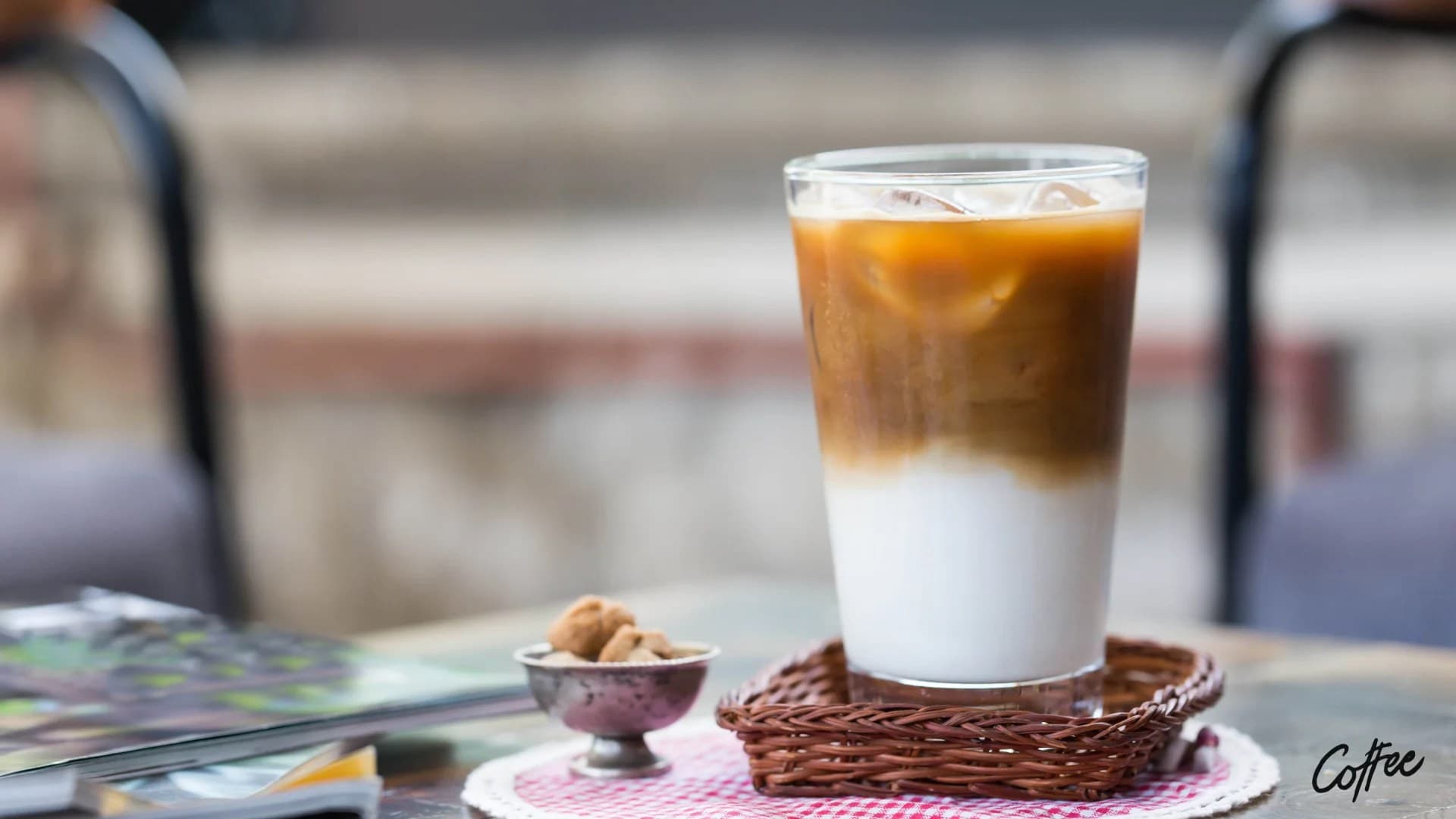
- Spanish latte consumption is increasing in the U.S. coffee market due to its distinctive preparation involving sweetened condensed milk and espresso.
- The drink's unique dairy chemistry and brewing method impact texture, flavor, and consumer preference.
- Growth in specialty coffee culture and consumer experimentation drive the beverage's mainstream adoption.
- Production scalability and supply chain dynamics for condensed milk and espresso beans influence market penetration potential.
- Scientific understanding of milk-sugar-espresso interactions provides insight into the beverage's sensory profile and shelf stability.
The Spanish latte, a coffee variant characterized by the integration of espresso and sweetened condensed milk, represents a notable shift in American coffee consumption patterns. While traditionally rooted in Iberian and Latin American cultures, the drink has experienced a marked ascendance within the United States specialty coffee segment. This editorial articulates the underlying reasons for the Spanish latte's burgeoning popularity, evaluating both the biochemical properties of its constituent ingredients and the resultant sensory experience from a scientific perspective. Additionally, it contextualizes the beverage within broader market trends and supply chain considerations, offering a comprehensive assessment tailored to industry professionals.
Composition and Preparation Methodology of Spanish Latte
Ingredient Profile and Chemical Interactions
The Spanish latte principally consists of espresso, steamed milk, and sweetened condensed milk, which differentiates it from the more ubiquitous caffe latte or cappuccino. Sweetened condensed milk is essentially cow's milk from which water has been removed and with a substantial sucrose content (~40-45%), effectuating a syrup-like consistency and prolonged shelf stability. The presence of lactose, proteins (casein and whey), and caramelized sugars through the Maillard reaction in condensed milk influences the drink's taste, sweetness, and mouthfeel.
The elevated sucrose concentration enhances the beverage's sweetness without the need for added sugar syrups, promoting a richer body and smoother texture upon homogenization with steamed milk. When combined with espresso, the interaction between the polyphenolic compounds in coffee and the dairy proteins mitigates the typical coffee bitterness, resulting in a balanced sensory profile appreciated by a wider consumer base. This balanced interplay is central to the Spanish latte's differentiated flavor signature.
Preparation Techniques and Variables Impacting Quality
Preparation of a Spanish latte requires precise temperature and volumetric control to optimize flavor extraction and texture. Standard protocol involves pulling a double shot of espresso (approximately 60 ml) with an extraction temperature of 90-95°C to preserve aromatic compounds without introducing excessive bitterness. Concurrently, the steamed milk is heated to 60-65°C, a range that promotes optimal protein denaturation balancing sweetness perception with mouthfeel.
The addition of sweetened condensed milk occurs either prior to or post-steaming depending on desired flavor integration and consistency. Pre-steaming incorporation can denature some sugars but enhances homogeneity, while post-steaming addition preserves the saccharide load, increasing perceived sweetness. These variables impact the latte's texture, sweetness, and aroma profile, underscoring the need for barista precision and equipment calibration in high-volume settings.
Market Dynamics Influencing Spanish Latte Adoption in America
Consumer Preference Trends and Specialty Coffee Culture
The U.S. coffee market has witnessed an expansion of consumer palates attributable to increased exposure to diverse coffee traditions and heightened demand for premium, artisanal products. The Spanish latte's distinctive use of condensed milk aligns with this trend by offering a taste profile that balances traditional espresso bitterness with creamy sweetness, appealing to consumers seeking novel sensory experiences beyond standard brewed coffee beverages.
Research into consumer preference trends indicates a growing segment of off-menu or customized coffee options, with ethicized and heritage-linked drinks gaining traction. The Spanish latte fits within this paradigm, situating itself as both a culturally authentic and contemporaneously innovative option. Furthermore, social media amplification organizes it as a favored choice among millennials and Generation Z consumers, who drive market experimentation and influence supply chain adjustments.
Supply Chain and Production Considerations for Scalability
Scaling the Spanish latte as a mainstream beverage necessitates consistent sourcing of quality espresso beans and standardized sweetened condensed milk with controlled sugar and fat content for uniformity. The condensed milk market is dominated by a handful of multinational dairy processors, whose formulations exhibit minor variations impacting flavor and viscosity. Ensuring consistent sensory output mandates selection of suppliers with stringent quality controls and stable product specifications.
On the coffee supply side, the specialty coffee industry emphasizes traceability and single-origin sourcing to maintain flavor standards. Espresso blends used in Spanish lattes are typically medium to dark roast, with flavor notes complementary to the condensed milk's sweetness. Logistics challenges include synchronization of perishable fresh milk deliveries and shelf-stable condensed milk usage, with supply chain resiliency becoming critical amidst fluctuating dairy markets and global coffee commodity prices.
Sensory and Physiochemical Properties Underpinning Spanish Latte Appeal
Flavor Profile Analysis and Consumer Sensory Response
From a sensory science standpoint, the Spanish latte presents a complex organoleptic matrix shaped by the interplay of bitter phenolic compounds in coffee, milk fat content, and the high sugar concentration in condensed milk. This matrix results in heightened sweetness perception, a creamy mouthfeel, and reduced astringency, factors systematically linked to overall consumer satisfaction in controlled tasting panels.
Studies employing gas chromatography–mass spectrometry (GC-MS) and high-performance liquid chromatography (HPLC) reveal elevated volatile aroma compounds, such as furans and aldehydes, deriving from Maillard reactions and caramelization in condensed milk. These compounds synergize with coffee's aromatic profile, producing nuanced flavor notes distinctive from conventional lattes or flat whites. Consumer hedonic scaling from these studies indicates a preference skew towards beverages balancing sweetness with espresso robustness, a niche currently filled by the Spanish latte.
Physiochemical Stability and Shelf Life Considerations
The incorporation of condensed milk affects the Spanish latte's stability, particularly in chilled or prepackaged formats. High sugar content serves as a natural preservative, reducing water activity and inhibiting microbial growth, thereby extending shelf life compared to traditional milk-only espresso beverages. However, the homogenization of dairy proteins and emulsification during steaming require controlled thermal profiles to prevent separation or texture degradation upon cooling.
For industrial-scale production of ready-to-drink Spanish latte products, optimization of pasteurization protocols and emulsifier usage is essential to maintain sensory integrity. Stability studies indicate that lactose crystallization and Maillard-induced browning can occur if storage conditions deviate from optimal refrigeration parameters. Continuous monitoring and formulation adjustments are crucial to ensure product consistency and consumer safety.
Expert Analysis & FAQ
What biochemical processes influence the unique flavor and texture of Spanish latte compared to other espresso-based drinks?
The Spanish latte's unique flavor and texture are primarily influenced by the high sucrose concentration and Maillard reaction products in condensed milk. The sugars interact with dairy proteins and coffee phenolics, modulating bitterness and enhancing sweetness. Thermal processing during steaming induces protein denaturation, affecting mouthfeel and emulsification stability, differentiating it from traditional espresso beverages that typically use fresh milk alone.
How does sweetened condensed milk affect the nutritional and sensory attributes of the beverage?
Sweetened condensed milk significantly increases caloric density due to added sugars, impacting the beverage's macronutrient profile. Sensory-wise, it introduces caramelized sugar notes resulting from thermal processing, lending a richer aroma and fuller body. The condensed milk also lowers the pH slightly, influencing taste perception and affecting the solubility of coffee compounds, which in turn modulates the balance between bitterness and sweetness.
What market trends suggest sustained growth for Spanish latte in the American coffee sector?
Marked interest in heritage and ethnic coffee preparations among younger demographics, combined with a rising preference for sweeter, creamier espresso beverages, underpins the Spanish latte's market growth. The proliferation of specialty coffee education and digital media exposure fosters consumer willingness to explore diverse recipes. Additionally, the flexibility for customization and its compatibility with ready-to-drink formats position the Spanish latte favorably for sustained expansion within the competitive U.S. coffee industry.
What are the main challenges for commercial-scale production and distribution of Spanish latte products?
Challenges include maintaining ingredient quality consistency, particularly for sweetened condensed milk formulations, and ensuring the emulsification stability of dairy components during processing and storage. Cold chain logistics for fresh dairy elements, coupled with shelf life constraints, necessitate advanced preservation techniques. Furthermore, the fluctuating costs of coffee and dairy commodities require strategic supply chain management to optimize profitability while preserving product integrity.
-01KEF8PSTV81R19GYDEWA1W02E.png&w=1920&q=75)