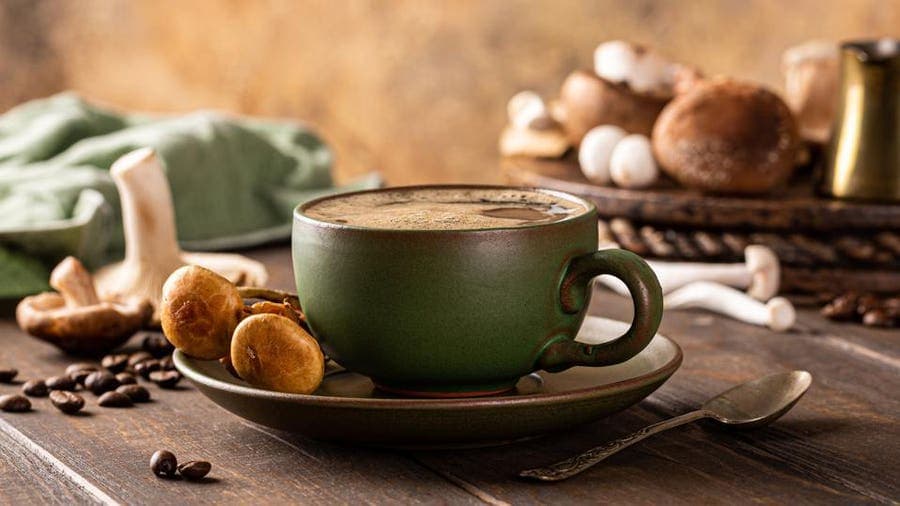
- Mushroom coffee represents a merging of traditional mycological uses with modern dietary trends, emphasizing adaptogenic and cognitive health benefits.
- The global market for mushroom coffee is expanding rapidly, supported by increasing consumer demand for functional beverages and natural nootropics.
- Scientific evidence underlines the bioactive compounds in key mushroom species that contribute to immunomodulation, neuroprotection, and gut health.
- Sustainable sourcing and cultivation methods are becoming critical factors as large-scale commercial interest in mushroom coffee grows.
- Future innovations will likely integrate advanced extraction technologies and personalized nutrition frameworks to optimize efficacy and consumer experience.
Mushroom coffee, a category that intertwines traditional fungal therapeutics with contemporary dietary habits, has garnered significant attention in health and wellness sectors. It is characterized by the infusion or blending of powdered mushroom extracts with ground coffee beans, creating a functional beverage purported to deliver synergistic effects beyond caffeine stimulation alone. This technical editorial assesses the scientific basis for health claims associated with mushroom coffee, delineates its evolving market dynamics, and evaluates technological and sustainability considerations shaping the industry.
Scientific Foundations of Mushroom Coffee
Bioactive Constituents in Functional Mushroom Varieties
Mushroom coffee typically incorporates species such as Ganoderma lucidum (Reishi), Lentinula edodes (Shiitake), Hericium erinaceus (Lion's Mane), and Inonotus obliquus (Chaga). These mushrooms contain a variety of bioactive compounds, including beta-glucans, triterpenoids, ergosterols, and polysaccharides, which have been subjected to varying degrees of pharmacological investigation. Beta-glucans are recognized for their immunomodulatory properties, capable of enhancing macrophage activity and modulating cytokine responses. Triterpenoids, particularly abundant in Reishi, exhibit anti-inflammatory and antitumor potential in vitro and in vivo. The neurotrophic compounds erinacines and hericenones from Lion's Mane have been studied for their ability to stimulate nerve growth factor (NGF) synthesis, potentially benefiting cognitive health.
Mechanisms Underpinning Health Benefits
The purported health benefits of mushroom coffee arise from the integration of caffeine's stimulant effects with the adaptogenic and immunoregulatory actions of mushroom-derived compounds. Adaptogens help stabilize physiological processes and promote homeostasis under stress. The polysaccharides in these mushrooms exert antioxidant and gut microbiota-modulating effects, which can influence systemic inflammation and metabolic health. Neuroprotective mechanisms are of particular interest, as compounds in Lion's Mane have demonstrated the capability to enhance neurogenesis and synaptic plasticity, which may have ramifications for cognitive decline and neurodegenerative conditions. Moreover, the combination of coffee with mushroom extracts can reduce the perceived jitteriness associated with caffeine, potentially by buffering cortisol responses.
Market Dynamics of Mushroom Coffee
Growth Trends and Consumer Demographics
The mushroom coffee market has experienced accelerated growth over the past five years, driven predominantly by millennials and Gen Z consumers seeking functional adaptations of traditional products. The global functional beverage industry, valued at several billion dollars, allocates an increasing share to mushroom-based drinks. Consumer motivations include interest in nootropics, immune support, and natural health alternatives. This demographic tends to value transparency, sustainability, and efficacy, influencing product development and marketing strategies. Moreover, the proliferation of digital health platforms contributes to greater awareness and acceptance of mushroom-derived nutraceuticals.
Competitive Landscape and Product Innovation
Key innovation vectors in mushroom coffee production encompass formulation strategies, extraction technology, and flavor optimization. Companies are refining extraction methods such as hot water decoction and dual extraction (water-alcohol) to maximize bioactive yield and preserve compound stability. Formulations vary from pure mushroom extract blends to hybrid powders, liquid concentrates, and ready-to-drink (RTD) beverages. Flavor masking is an important consideration as mushroom extracts often impart an earthy or bitter profile, prompting the incorporation of natural sweeteners or complementary botanicals. Brand differentiation increasingly focuses on clinical validation studies, certifications (organic, non-GMO), and traceability practices to reassure quality and safety.
Technological and Sustainability Considerations
Advancements in Cultivation and Extraction Technologies
Sustainable and high-quality mushroom cultivation underpins the mushroom coffee supply chain. Controlled environment agriculture (CEA), precision mycology, and substrate optimization are being employed to improve yield, consistency, and bioactive concentration of mushrooms used in coffee blends. Extraction technologies—ranging from traditional aqueous and ethanolic methods to more advanced supercritical CO2 extraction—enable selective isolation of desired compounds while minimizing degradation. These techniques also reduce reliance on synthetic solvents and decrease environmental footprint. Additionally, cold extraction methods aim to retain thermolabile compounds, enhancing the functional profile of the final product.
Environmental Impact and Ethical Sourcing
Given increasing consumer awareness, the environmental impact and ethical considerations in mushroom coffee production have assumed considerable importance. Fungal cultivation presents a relatively low ecological footprint compared to animal proteins, yet challenges exist related to substrate sourcing, energy use in processing, and packaging waste. Industry stakeholders advocate for circular economy principles whereby agricultural byproducts serve as substrates, and biodegradable packaging decreases plastic dependency. Transparent supply chain audits and fair trade certifications are increasingly adopted to ensure both ecological responsibility and equitable labor practices in sourcing regions.
Expert Analysis & FAQ
What scientific evidence supports the immunomodulatory claims of mushroom coffee?
Numerous preclinical studies demonstrate that polysaccharides, particularly beta-glucans found in medicinal mushrooms, stimulate various immune cells including macrophages, natural killer cells, and dendritic cells. Clinical evidence is more limited but suggests potential enhancements in immune function and reductions in inflammatory markers in certain populations. The combination with coffee, known to impact adenosine receptors and inflammatory pathways, is hypothesized to exert additive or synergistic effects. However, rigorous randomized controlled trials (RCTs) specifically on mushroom coffee beverages remain sparse, necessitating further human studies for conclusive evidence.
How does mushroom coffee impact cognitive function compared to regular coffee?
Mushroom species such as Lion's Mane contain compounds that induce nerve growth factor synthesis, which may promote neurogenesis and support synaptic repair mechanisms. Regular coffee is primarily a CNS stimulant via adenosine receptor antagonism. When combined, these elements may confer both acute cognitive enhancement from caffeine and longer-term neuroprotective effects from mushroom constituents. Preliminary studies of Lion's Mane supplements report improved memory and focus, but it is unclear to what degree these effects are preserved in mushroom coffee formulations due to variability in extraction and dosage.
Are there any known risks or contraindications associated with mushroom coffee consumption?
Generally, mushroom coffee is considered safe for most individuals when consumed in moderation. However, immunocompromised persons or those with autoimmune conditions should exercise caution, as immunostimulatory compounds might exacerbate symptoms. Allergies to fungal proteins are possible but rare. Interactions between bioactive mushroom constituents and certain medications, such as anticoagulants, have been documented in isolated cases. Additionally, excess caffeine intake carries known cardiovascular and neurological risks. Thus, consumers should evaluate their personal health status and consult healthcare professionals prior to integrating mushroom coffee into their regimen.
What future trends are anticipated in the mushroom coffee industry?
Emerging trends include precision nutrition approaches using microbiome and genetic data to customize mushroom coffee formulations. Advances in fermentation technology could yield novel bioactive metabolites enhancing efficacy and flavor. Integration of blockchain technology for supply chain transparency and ethical sourcing will likely intensify. Moreover, as clinical validation expands, regulatory frameworks around health claims are expected to become more stringent, prompting manufacturers to invest in robust scientific substantiation. Functional beverage convergence with cannabidiol (CBD) and other adaptogens may also create hybrid categories within the wellness market.
-01KE0K7VYW6WP16YH8PK26SQE6.png&w=1920&q=75)