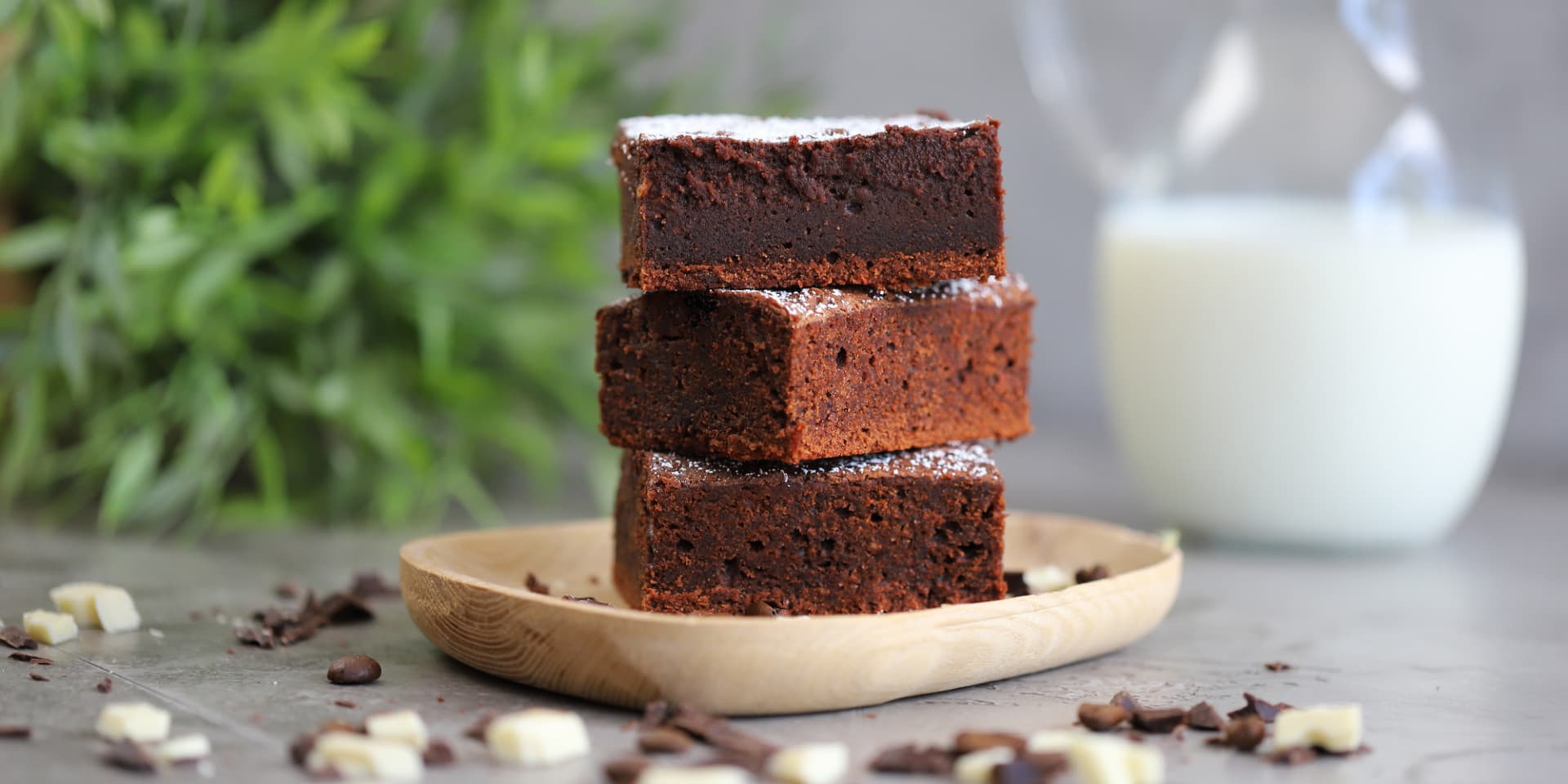
- Integration of robusta coffee introduces distinctive flavor profiles and biochemical complexity, enhancing brownie appeal.
- Scientific principles of Maillard reactions and moisture retention optimize texture and sensory attributes.
- Global market trends indicate rising consumer preference for coffee-infused baked goods, particularly those leveraging cultural authenticity.
- Production scalability balances artisanal techniques with industrial processes to maintain quality and consistency.
- Understanding caffeine bioavailability and antioxidant content positions Vietnamese coffee brownies as a functional confectionery product.
The emergence of Vietnamese coffee brownies represents an intersection of traditional Vietnamese coffee culture with contemporary confectionery innovation. This article explores the technical, scientific, and industry dynamics underlying this niche product category, emphasizing its composition, production methodologies, and global market potential.
Coffee Fundamentals in Vietnamese Coffee Brownies
Coffee Bean Characteristics and Selection
Central to the unique sensory profile of Vietnamese coffee brownies is the utilization of robusta coffee (Coffea canephora), which dominates Vietnam's coffee production. Robusta beans contain nearly twice the caffeine content of arabica, delivering a pronounced bitterness and astringency that counters the rich sweetness of typical baked goods. From a chemical perspective, robusta beans exhibit higher chlorogenic acid levels, contributing to complex phenolic profiles that impact flavor depth and antioxidant capacity post-baking. The coffee's preparation method, frequently an intense dark roast, induces pyrolytic transformation of precursors, yielding a balance of smoky, caramelized, and bitter notes critical for flavor integration in brownies.
Extraction Techniques and Their Impact on Flavor Integration
Incorporating coffee into brownie batter entails precise extraction protocols to preserve volatile aromatic compounds and maintain biochemical integrity. Commonly, a concentrated brewed coffee or coffee extract is employed rather than instant powders, ensuring a higher fidelity of flavor compounds such as furans, aldehydes, and pyrazines. Water temperature, brewing duration, and coffee-to-water ratios are critical parameters influencing the concentration of soluble solids. Optimizing these parameters affects the final product's flavor intensity and the interaction with the cocoa matrix, which shares chemically similar polyphenolic compounds, fostering synergistic taste complexity.
Scientific Principles Governing Texture and Flavor Development
Maillard Reaction and Its Role in Browning and Aroma Formation
The Maillard reaction, a non-enzymatic browning process occurring between reducing sugars and amino acids during baking, is pivotal in developing the characteristic crust coloration and aroma profile of Vietnamese coffee brownies. The presence of coffee extracts alters the Maillard intermediates due to its intrinsic amino acid and sugar content. Furthermore, the acidic nature of coffee influences the reaction rate and pathway, often intensifying the production of pyrazines and other heterocyclic compounds that contribute to roasted and nutty aromas. Control of baking temperature and time is essential to maximize desirable Maillard products while minimizing bitter or burnt off-flavors.
Moisture Retention and Crumb Structure Optimization
Texture optimization in coffee brownies leans heavily on the regulation of moisture content and gluten network development. The introduction of coffee liquids modifies the batter's hydration levels and pH, which in turn affect starch gelatinization and protein coagulation during thermal processing. Adjustments in fat and sugar ratios, as well as the incorporation of emulsifiers, may be necessary to compensate for these biochemical interactions and achieve the desirable fudgy versus cakey textures. Microstructural analysis with scanning electron microscopy reveals how coffee components influence air cell distribution and crumb density, offering data to refine production parameters.
Global Industry Trends and Market Considerations
Consumer Demand and Cultural Authenticity
Globally, the surge in specialty coffee consumption aligns with increased interest in coffee-flavored culinary innovations, including baked goods. Vietnamese coffee brownies benefit from the authenticity narrative, leveraging distinctive cultural cues such as traditional robusta beans and sweetened condensed milk influences. Market segmentation analyses demonstrate consumer preference for products that combine novelty with a recognizable cultural origin, especially in North American and European urban centers with expanding ethnic gastronomic curiosities. Sustainability and ethical sourcing within the coffee supply chain further contribute to product positioning.
Production Scalability and Quality Control Challenges
Scaling Vietnamese coffee brownies from artisanal kitchens to industrial manufacturing involves complex challenges related to ingredient consistency, extraction reproducibility, and process control. Variability in coffee bean quality, roasting levels, and extraction methods can introduce flavor inconsistencies. Industrial baking systems must incorporate precise control of mixing speeds, homogenization, baking profiles, and cooling rates to standardize texture and sensory attributes. Advanced analytical tools such as high-performance liquid chromatography (HPLC) for caffeine content and gas chromatography–mass spectrometry (GC-MS) for volatile compounds enable quality assurance throughout production cycles.
Functional Properties and Nutritional Aspects
Caffeine Bioavailability and Health Implications
The caffeine content inherent in robusta coffee imparts mild stimulant effects that can influence consumer acceptance and positioning of Vietnamese coffee brownies as a functional treat. Bioavailability of caffeine post-baking remains largely preserved due to its thermal stability. Moreover, coffee polyphenols contribute antioxidant activity, which may partially offset the oxidative stress associated with sugar and fat consumption in confectioneries. Nonetheless, precise quantification of antioxidant capacity post-thermal processing is essential for substantiating health-related claims and guiding nutritional labeling.
Sugar and Fat Content Optimization for Nutritional Balance
Given the hybrid nature of brownies as indulgent products, formulations must balance sensory appeal with emerging consumer demands for reduced sugar and healthier fat profiles. Incorporation of coffee allows for partial sugar reduction due to the bitterness counterbalancing effect, which can help modulate glycemic load. Fat substitution using plant-based oils or emulsifiers can maintain moistness and mouthfeel without compromising the coffee's flavor integration. Nutritional reformulation requires rigorous sensory evaluation to ensure market acceptance alongside compliance with regulatory frameworks concerning health claims and allergens.
Expert Analysis & FAQ
1. How does the use of robusta coffee specifically alter the chemical composition compared to arabica in brownies?
Robusta coffee contains nearly double the caffeine content of arabica, along with higher quantities of chlorogenic acids and other polyphenols. These compounds contribute to increased bitterness, astringency, and antioxidant potential in the final brownie product. Chemically, the elevated levels of chlorogenic acids facilitate more complex Maillard reaction pathways during baking, resulting in distinctive flavor compounds that differ substantially from arabica-based products.
2. What are the critical parameters in coffee extraction to ensure optimal flavor incorporation in brownie batter?
Critical extraction parameters include brewing temperature (ideally between 90-96°C), contact time (4-8 minutes for dark roasts), and coffee-to-water ratio (usually 1:15 to 1:18). These factors ensure maximal extraction of soluble solids, including volatile aromatics and caffeine, while minimizing undesirable bitter or burnt tastes. Furthermore, the freshness of coffee grounds and roast level significantly affect extraction efficiency and flavor fidelity within the batter.
3. How can manufacturers scale the production of Vietnamese coffee brownies without compromising artisanal quality?
Scaling production requires precise replication of key variables: standardized coffee bean sourcing, controlled roasting profiles, consistent extraction protocols, and meticulous mixing and baking regimes. Utilizing process analytical technologies (PAT) such as inline spectroscopic flavor monitoring and rheological measurements of batter viscosity facilitates quality consistency. Additionally, implementing strict environmental controls in baking facilities helps maintain crumb structure and aroma retention comparable to artisanal benchmarks.
4. To what extent does baking alter the antioxidant capacity and caffeine content inherent in Vietnamese coffee brownies?
Baking induces some degradation of phenolic antioxidants but caffeine remains thermally stable under typical brownie baking conditions (160-180°C for 20-30 minutes). Studies report antioxidant capacity reductions ranging from 10-30% post-baking, depending on time and temperature. Hence, while overall antioxidant levels decrease, sufficient bioactive compounds persist to contribute functional benefits. Accurate post-process analytical verification is recommended to substantiate product claims.
-01KDXR4THQA81KRBKBKAYFC0VT.png&w=1920&q=75)
-01KE8ZY827VFTA2XHH366RJ467.jpeg&w=1920&q=75)