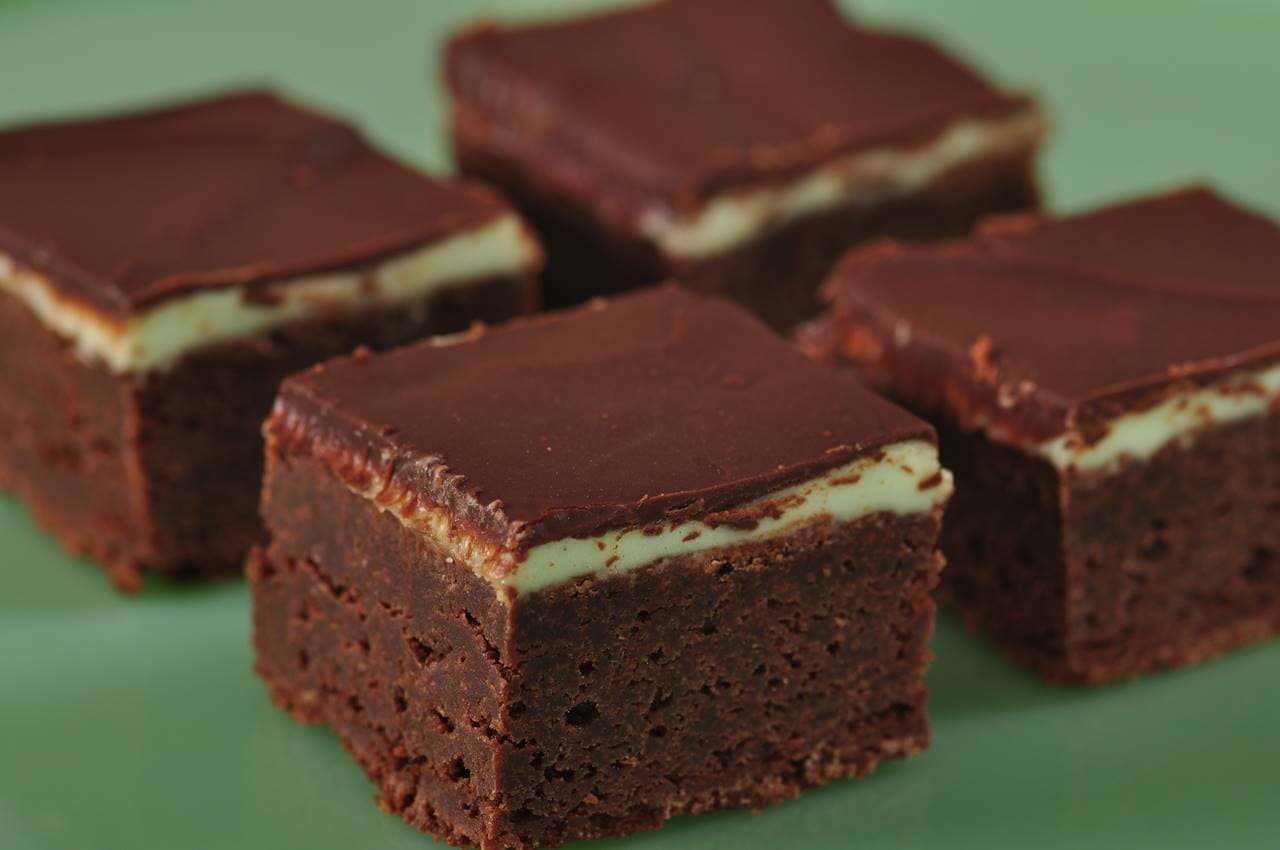
- Vietnamese coffee incorporates unique chemical and sensory profiles that enhance the flavor complexity of brownies.
- The integration of Vietnamese coffee into traditional Western brownie recipes represents a significant example of cross-cultural culinary innovation.
- Scientific analysis of Vietnamese coffee's roasting and brewing parameters reveals its impact on Maillard reactions and texture within baked goods.
- Industry trends indicate a growing consumer demand for hybrid confections that marry traditional elements with global flavors.
- Optimization of formulation and processing parameters is critical in maintaining desirable organoleptic properties alongside the introduction of coffee's bitterness and acidity.
Vietnamese coffee brownies exemplify the emerging trend of hybridized confectionery, wherein the distinctive attributes of Vietnamese coffee are methodically employed to augment the sensory and physicochemical qualities of a quintessential Western baked product. This fusion represents not merely a culinary novelty but a scientifically intriguing intersection of beverage chemistry and bakery technology. Vietnamese coffee—typically characterized by dark roasting profiles and unique filtration methods—introduces enhanced caffeine concentration and pronounced flavor notes such as caramelization, nuttiness, and subtle bitterness. These qualities influence the matrix formation and textural outcomes in brownie preparation, thereby necessitating an analytical approach to recipe adaptation and process control.
Composition and Chemical Properties of Vietnamese Coffee
Roasting Profiles and Their Effects on Flavor Compounds
The standard dark roasting technique utilized in Vietnamese coffee production profoundly affects the chemical composition of the beans. Roasting induces complex Maillard reactions, pyrolysis, and caramelization, which generate volatile aromatic compounds, melanoidins, and polyphenols contributing to the characteristic bold flavor. Specifically, the prolonged roasting increases chlorogenic acid degradation, while augmenting the formation of quinic acid, imparting specific bitterness and acidity. These alterations are pivotal when integrating Vietnamese coffee into confectionery formulations, as they influence both flavor intensity and chemical interactions with sugar and proteins in batter matrices.
Extraction Methods and Physiochemical Characteristics
The traditional Vietnamese drip brewing method produces a brew with elevated caffeine concentration and particulate matter content compared to other preparation techniques. This method's slow percolation and fine grind size contribute to prolonged exposure of hot water to coffee solids, resulting in enhanced extraction efficiency of alkaloids and phenolic compounds. Consequently, the brewed coffee used in brownies presents a concentrated source of bioactive compounds, which exerts implications on the chemical kinetics of baking reactions and antioxidant retention during thermal processing.
Technological Integration in Brownie Production
Formulation Adjustments to Accommodate Coffee Characteristics
Integrating Vietnamese coffee into brownie formulations requires precise adjustments, particularly in liquid content and sugar ratios, to balance the bitterness and moisture derived from coffee infusion. The hydrophilic nature of brewed coffee affects the rheological properties of the batter, potentially altering viscosity and aeration during mixing. Controlled empirical studies suggest the substitution of part of the standard liquid component with brewed coffee at concentrations ranging from 10% to 25% to maintain matrix cohesiveness while optimizing flavor release. Additionally, sugar content modulation compensates for the coffee's intrinsic acidity and bitterness, ensuring sensory equilibrium.
Impact on Maillard Reactions and Texture Development
The introduction of Vietnamese coffee compounds influences Maillard reaction pathways during baking, primarily through its sugar and amino acid content and pH modification. These reactions are responsible for the characteristic color, flavor, and aroma development in brownies. The elevated caffeine and phenolic content may also act as reaction inhibitors or antioxidants, modulating the extent of browning and shelf-life stability. Texturally, coffee addition can enhance crumb structure solidity due to increased moisture retention and protein coagulation dynamics, requiring precise thermal profiling during baking to prevent overcooking or excessive hardness.
Market Trends and Consumer Preferences
Globalization of Vietnamese Coffee Flavors
The global proliferation of Vietnamese coffee flavors in confectionery has been propelled by shifting consumer preferences favoring authentic, culturally diverse, and artisanal products. Market research illustrates a growing appetite for fusion desserts that combine familiar textures with novel flavor profiles, such as those presented by Vietnamese coffee. This trend is particularly pertinent in regions where specialty coffee culture and premium chocolate consumption converge, indicating a niche for Vietnamese coffee brownies within gourmet and specialty sectors.
Commercial Production Challenges and Opportunities
From an industrial perspective, scaling the production of Vietnamese coffee-infused brownies requires addressing several challenges including ingredient standardization, batch-to-batch consistency of coffee extracts, and maintaining structural integrity during high-volume baking. Opportunities exist for innovation in formulation strategies, such as encapsulated coffee oils or freeze-dried coffee powders, which facilitate consistent flavor dispersion and shelf stability. Moreover, marketing strategies targeting the story of global coffee heritage and sensory uniqueness may enhance product differentiation in competitive confectionery markets.
Expert Analysis & FAQ
What chemical components of Vietnamese coffee most significantly influence brownie flavor and texture?
The predominant chemical components impacting brownie formulation are melanoidins, which contribute to bitterness and color, plus caffeine and chlorogenic acid derivatives that affect bitterness and acidity. These compounds interact with sugars and proteins during baking, modulating Maillard reactions and moisture dynamics, thereby influencing texture firmness and crumb properties.
How does the brewing method of Vietnamese coffee affect its functionality in baking?
Vietnamese drip coffee extraction yields a concentrated brew with high levels of soluble solids including caffeine and phenolics. This concentrated extract not only intensifies flavor but also modifies batter viscosity and moisture content. Its slow extraction process ensures maximal solute availability, which can act as antioxidants during baking, potentially enhancing shelf life and flavor stability.
What design considerations are critical when scaling Vietnamese coffee brownie production commercially?
Standardization of coffee brew concentration is paramount to maintain product consistency. Integration of robust quality control for coffee bean roasting and extraction variables is necessary. Formulation must balance moisture content to avoid textural deviations. Additionally, packaging and storage must protect against oxidation of coffee compounds and moisture migration, thereby preserving sensory qualities over shelf life.
Can the antioxidant properties of Vietnamese coffee contribute to the shelf life of brownies?
Yes, the polyphenolic antioxidants present in Vietnamese coffee, such as chlorogenic acids and melanoidins, can inhibit lipid peroxidation and microbial growth, thereby potentially extending the shelf life of brownies. However, their efficacy depends on the baking temperature and time, which can degrade some antioxidant molecules. Therefore, process optimization is necessary to maximize retention.
-01KF7100AK97PHPQG0RAGFAJSP.png&w=1920&q=75)

-01KEYS55FM26NDD6TVQCHYNFTW.png&w=1920&q=75)