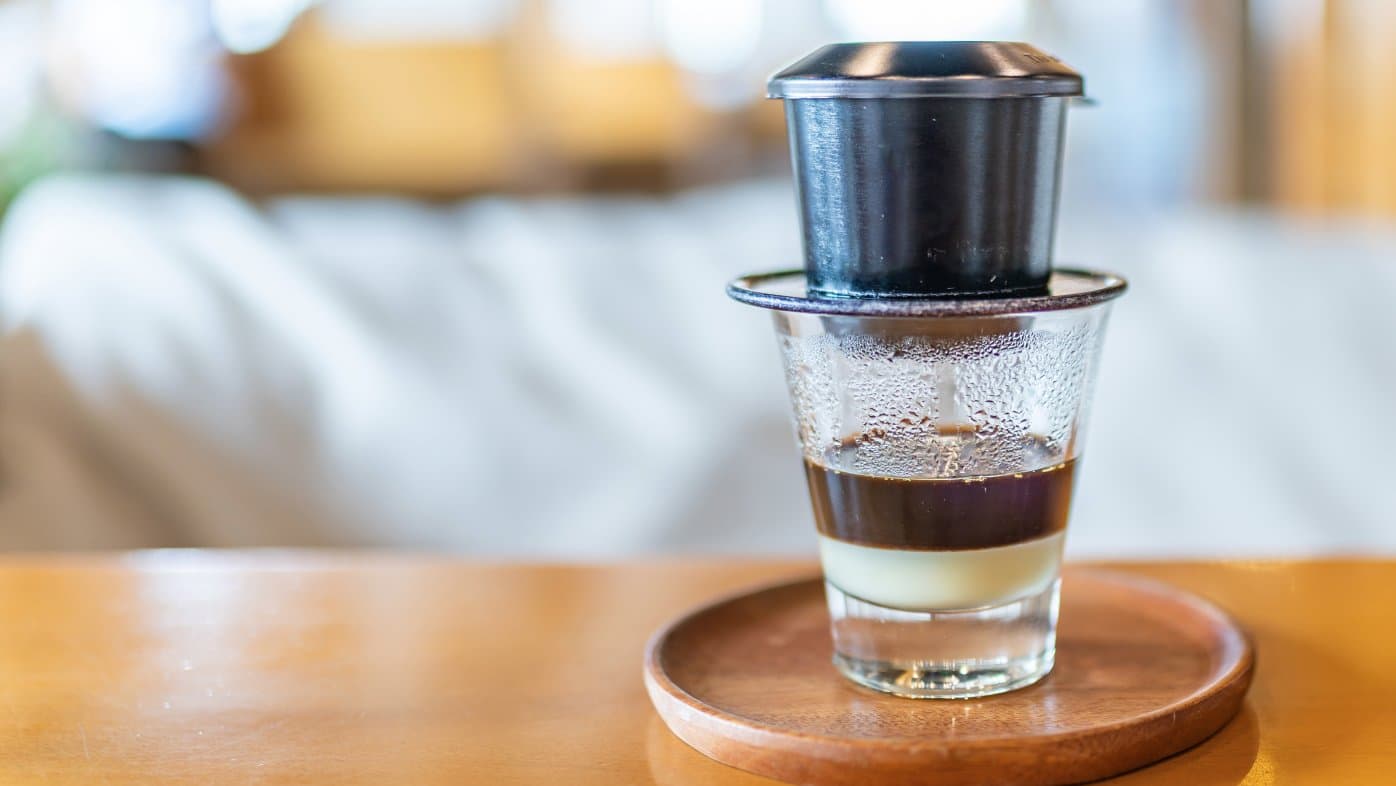
- Vietnamese coffee exhibits a distinctive caffeine concentration influenced by its brewing method and coffee bean varieties.
- The predominant use of Robusta beans contributes to higher caffeine levels compared to Arabica-based coffees.
- Preparation techniques, including drip filtration and condensed milk addition, significantly impact the bioavailability and perception of caffeine.
- Quantitative analyses reveal Vietnamese coffee caffeine concentrations range broadly from 60 to 200 mg per serving, contingent on serving size and blend composition.
- Understanding caffeine variability in Vietnamese coffee is essential for health advisories and market segmentation within the global specialty coffee industry.
Vietnamese coffee is globally recognized not only for its robust flavor profile but also for its distinct caffeine content, which merits rigorous examination from both a scientific and industry perspective. The specificity of Vietnamese coffee arises from its prevalent use of Robusta beans, unique brewing methodologies, and consumption customs. Unlike Arabica-dominant coffee cultures, Vietnam's coffee production and consumption reflect a biochemical and preparatory paradigm that drives caffeine concentration to levels often exceeding conventional expectations.
Coffee Bean Varieties and Their Caffeine Profiles
The Predominance of Robusta Beans in Vietnam
Vietnam is the second-largest global producer of coffee, with approximately 95% of its output consisting of Robusta beans (Coffea canephora). Robusta beans inherently contain higher caffeine concentrations than Arabica (Coffea arabica), averaging between 2.2% and 2.7% caffeine by weight, compared to Arabica's 1.2% to 1.5%. This biochemical disparity is foundational to the caffeine potency found in Vietnamese coffee. Robusta's higher caffeine content serves as a natural insect deterrent and imparts a more bitter and intense flavor profile, which Vietnamese consumers have cultivated into their preferred sensory experience.
Caffeine Concentration Variability Among Robusta Cultivars
Even within Robusta species, caffeine content varies due to genetic, environmental, and agronomic factors. Factors such as altitude, soil composition, climate conditions, and harvest timing influence phytochemical profiles. Studies indicate that Robusta beans grown in Vietnam's Central Highlands, a primary cultivation zone, exhibit caffeine concentrations on the upper bound of the typical Robusta range, partly due to climatic stressors and soil nutrient availability. Furthermore, post-harvest processing techniques like wet or dry processing also contribute to chemical composition alterations, thereby modifying caffeine content in final roasted products.
Brewing Techniques and Their Impact on Caffeine Extraction
Traditional Drip Filtration Method
The hallmark of Vietnamese coffee preparation is its manual drip brewing system, wherein hot water percolates slowly through a metal filter containing medium to coarse-ground coffee. This extended contact time facilitates a substantial extraction of caffeine and other soluble compounds. Empirical analyses show that this method typically extracts caffeine with high efficiency, often yielding a cup with caffeine concentrations ranging from 60 mg to upwards of 150 mg depending on brew time and coffee dose. The low water volume contrasted with prolonged extraction likely enhances solute concentration, making the method instrumental in producing a potent caffeine beverage.
Cold Brewing and Iced Variants
Vietnamese iced coffee, which combines brewed coffee with sweetened condensed milk and ice, often undergoes cold brewing or dilution post-extraction. Cold brew techniques extract caffeine at slower rates and lower temperatures, generally leading to reduced caffeine concentrations per volume but compensated by larger serving sizes. Quantifiable caffeine content in iced Vietnamese coffee ranges from 80 mg to 120 mg per 350 ml serving, with variations dependent on brewing duration, coffee-to-water ratio, and dilution effects from milk and ice. This bears significant implications for consumers' caffeine intake awareness, especially when evaluating contrasts between hot and iced formats.
Quantifying Vietnamese Coffee Caffeine Content: Measurement Methodologies
Analytical Techniques for Caffeine Determination
Accurate quantification of caffeine in Vietnamese coffee necessitates employing chromatographic and spectroscopic methods, such as High-Performance Liquid Chromatography (HPLC) coupled with UV detection. Sample preparation protocols include standardized brewing replication and extraction solvent optimization to mirror consumer practices. Such analytical methods enable differentiation of caffeine content across bean types, roasting levels, and brewing conditions. Reported data consistently validate that caffeine levels in Vietnamese coffee exceed many Western coffee preparations, a fact that underscores the necessity of precise measurement for regulatory and nutritional labeling purposes.
Influence of Brewing Variables on Caffeine Yield
Beyond bean composition, the caffeine yield from Vietnamese coffee is contingent upon a complex interplay of variables including grind size, water temperature, extraction time, and coffee-to-water ratio. Studies demonstrate the following impacts:
- Grind size: Finer grinds enhance extraction yield but increase turbidity and bitterness.
- Water temperature: Optimal caffeine solubility occurs around 90–96°C; deviations reduce extraction efficiency.
- Extraction time: Longer percolation (>5 minutes) typically increases caffeine content but may over-extract bitter components.
- Coffee-to-water ratio: Higher ratios proportionally increase caffeine concentration in the final cup.
These variables must be controlled rigorously in experimental and commercial contexts to ensure consistency and consumer expectation alignment.
Health Implications and Market Considerations
Physiological Effects of High Caffeine Intake
Given the elevated caffeine concentrations in Vietnamese coffee, health considerations warrant precise evaluation. While moderate caffeine consumption (up to 400 mg per day for healthy adults) is generally deemed safe, the potent serving sizes in Vietnam's traditional coffee culture can lead to higher-than-average intake. Caffeine's psycho-stimulant effects, influencing central nervous system activation, must be contextualized within consumption patterns. Additionally, populations with caffeine sensitivity, pregnant individuals, and those with cardiac conditions may experience adverse effects when consuming high-caffeine beverages typical in Vietnamese coffee consumption.
Global Market Implications and Consumer Trends
Vietnamese coffee's distinctive caffeine profile influences its positioning in the global coffee market, particularly within specialty and functional beverage segments. The increasing global demand for high-caffeine coffees and unique cultural brewing methods suggests expanding export potentials. Market analysts highlight the necessity for transparent caffeine content disclosure to meet regulatory frameworks and consumer expectations in diverse markets. Additionally, innovations in optimizing extraction techniques and product development respecting caffeine variability can further bolster Vietnamese coffee's international competitiveness.
Expert Analysis & FAQ
1. How does the caffeine content in Vietnamese coffee compare to typical Western drip coffee?
Vietnamese coffee generally contains higher caffeine per serving than Western drip coffee primarily because of the dominant use of Robusta beans, which inherently possess about twice the caffeine concentration of Arabica beans used predominantly in Western markets. Additionally, the manual drip brewing method employed in Vietnam often results in a concentrated extract with a smaller liquid volume, thereby elevating per-serving caffeine content. Studies report Vietnamese drip coffee can range from 100 to 150 mg per 60–80 ml serving, whereas Western drip coffees typically contain between 95 and 165 mg but are served in larger volume, reducing concentration on a per ml basis.
2. What role does condensed milk play in the caffeine bioavailability in Vietnamese coffee?
The addition of sweetened condensed milk alters the beverage's physicochemical properties, potentially affecting caffeine absorption rates. Milk proteins can bind polyphenols and tannins, compounds that might otherwise inhibit caffeine absorption. As a result, the combined presence of condensed milk may modulate the sensory bitterness while also influencing gastrointestinal caffeine uptake kinetics. However, current empirical evidence suggests the total caffeine content remains unchanged; the perceived stimulant effect may be attenuated or modulated through this matrix interaction.
3. Are there significant differences in caffeine content between hot and iced Vietnamese coffee?
Yes, discrepancies exist due to preparation and serving sizes. Hot Vietnamese coffee is typically more concentrated, brewed using smaller volumes with longer extraction times, resulting in higher caffeine density. Conversely, iced variants involve dilution with ice and condensed milk, expanding the total serving size but reducing caffeine concentration per unit volume. Cold brewing techniques, less common but increasingly adopted, extract caffeine differently, generally lowering total caffeine content due to lower temperature and shorter contact times. Thus, consumers should consider serving size and brewing method when estimating caffeine intake.
4. How is caffeine variability managed within the Vietnamese coffee industry to maintain product consistency?
Vietnamese coffee producers increasingly implement quality control protocols encompassing standardized bean selection, roasting profiles, and brewing procedures to manage caffeine variability. Advances in agronomic research contribute to cultivar selection with predictable caffeine levels. Additionally, industrial roasting and formulation use consistent batch testing via chromatographic analysis to ensure compliance with quality standards. This control is critical for both domestic market expectations and adherence to international food safety and labeling regulations, which necessitate accurate reporting of caffeine content for consumer protection.
-01KDXR4THQA81KRBKBKAYFC0VT.png&w=1920&q=75)
-01KE8ZY827VFTA2XHH366RJ467.jpeg&w=1920&q=75)