- Emergence of nutrient-dense, low-calorie snack alternatives is reshaping the global chips market.
- Scientific validation of ingredients and processing technologies is pivotal for developing genuinely health-promoting chips.
- Consumer demand for transparency and functional benefits drives innovation toward chips with optimized macronutrient profiles.
- Integration of plant-based fibers and novel oil matrices significantly impacts the caloric density and satiety effects of chips.
- Regulatory frameworks and standardized nutritional metrics remain critical for substantiating weight loss claims in the chips category.
The global snack food sector has witnessed a paradigm shift toward the integration of health-oriented objectives, particularly in relation to weight management. Among these, the category of "healthy chips" targeting consumers engaged in weight loss regimes has rapidly expanded, stimulated by increasing epidemiological concerns regarding obesity and metabolic disorders. This editorial presents a quantitative and qualitative analysis of how such chips fit within evidence-based nutritional strategies, encompassing ingredient functionality, processing technology, and regulatory considerations.
Market Dynamics and Nutritional Trends
Consumer Demand and Global Market Trends
The international marketplace for healthy snack alternatives, including chips formulated for weight loss, is characterized by consistent growth trajectories. Market research indicates that consumers—driven by rising obesity prevalence and heightened health consciousness—seek products with demonstrable benefits such as reduced caloric content, enriched fiber levels, and the absence of trans fats. This consumer behavior catalyzes innovation in formulations that prioritize macronutrient modulation and ingredient provenance.
Regions such as North America, Europe, and parts of Asia-Pacific have exhibited elevated market penetration, with product launches frequently indicating alignment with ketogenic, low-glycemic, or plant-based dietary patterns. Furthermore, the proliferation of digitally-enabled nutrition tracking facilitates informed consumer choices, thereby exerting pressure on manufacturers to articulate clear and scientifically substantiated health claims.
Macronutrient Profiles and Ingredient Selection
Integral to the formulation of healthy chips conducive to weight loss is the meticulous selection of ingredients that impact the caloric density and satiety-inducing properties of the final product. Traditional potato chips, characterized by high fat content derived from deep frying and refined carbohydrate matrices, contribute to elevated energy intake with minimal nutritional benefits.
Contemporary formulations prioritize:
- Use of whole-grain or legume-based flours: Such bases impart higher protein and dietary fiber content, which facilitate prolonged satiety and improved glycemic response.
- Incorporation of resistant starches and prebiotic fibers: These components modulate gut microbiota and influence energy metabolism, indirectly supporting weight loss mechanisms.
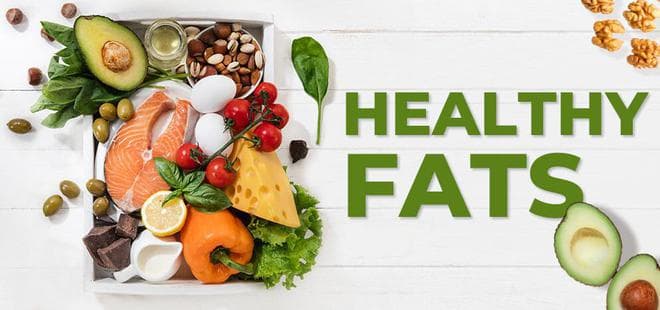
- Replacement of saturated fats with mono- and polyunsaturated fatty acids: Utilization of oils such as high-oleic sunflower or avocado oil reduces deleterious lipid profiles while maintaining sensory acceptance.
Thus, the macronutrient recalibration, from high-fat/high-simple carbohydrate paradigms toward balanced profiles inclusive of functional lipids and fibers, is fundamental.
Technological Innovations in Production
Processing Techniques for Nutrient Retention and Caloric Reduction
Manufacturing healthy chips with weight loss benefits necessitates precision engineering of processing parameters to minimize nutrient degradation and limit caloric load. Traditional deep-frying methods introduce excessive lipid absorption, inversely impacting product healthfulness.
Innovative processing modalities include:
- Air frying and vacuum frying: Utilizing lower temperatures and reduced oxygen environments to limit oil uptake and preserve thermolabile micronutrients.
- Extrusion cooking: Facilitating formation of novel textures with minimal oil incorporation, particularly in legume-based variants.
- Infrared and microwave drying: Accelerating moisture removal without compromising fiber integrity or inducing non-enzymatic browning that could generate harmful compounds.
These technologies collectively contribute to favorable energy balances and enhance the functional health attributes of chip products.
Functional Additives and Fortification Strategies
To augment the weight loss efficacy of healthy chips, formulators increasingly incorporate bioactive compounds that influence metabolism and satiety. Notable examples include:
- Polyphenol extracts: Derived from green tea or berries, these substances exhibit antioxidant activity and potential appetite modulation effects.
- Soluble fibers such as inulin and beta-glucans: Contributing to enhanced glycemic control and delayed gastric emptying.
- Protein fortification: Via plant isolates such as pea or soy protein, which can increase thermogenesis and reduce overall calorie consumption.
However, these additions require rigorous formulation balance to maintain palatability and sensory acceptance, critical for sustained consumer adherence.
Scientific Evidence and Weight Loss Efficacy
Clinical and Nutritional Studies
Empirical investigation into the role of healthy chips in weight management predominantly evaluates parameters such as energy intake compensation, satiety indices, and glycemic responses post-consumption. Double-blind randomized controlled trials (RCTs) assessing legume-based chip interventions have demonstrated statistically significant reductions in postprandial glucose excursions and incrementally greater satiety markers compared to conventional snacks.
Further meta-analyses corroborate the beneficial role of dietary fibers and unsaturated fats within snack matrices in promoting modest weight loss or weight maintenance when integrated into comprehensive dietary plans. Nonetheless, direct clinical evidence on chips per se remains limited, emphasizing the necessity for standardized product characterization and long-term outcome studies.
Limitations and Regulatory Implications
The translation of scientific findings into validated consumer claims is constrained by heterogeneous regulatory environments across jurisdictions. Authorities such as the U.S. Food and Drug Administration (FDA) and the European Food Safety Authority (EFSA) mandate robust substantiation for weight loss claims that often exceed available evidence specific to chip products.
Moreover, the definition of "healthy" remains variable, necessitating adherence to nutrient profiling frameworks that consider energy density, nutrient content, and presence of bioactive compounds. The absence of harmonized guidelines complicates marketing and consumer perception, underscoring the importance of transparent labeling and standardized analytical methods.
Expert Analysis & FAQ
1. How do different fat sources in healthy chips impact weight loss outcomes?
Replacing saturated fats with mono- and polyunsaturated fats can improve lipid profiles and reduce cardiovascular risk factors associated with obesity. Additionally, unsaturated fats may exert positive effects on adipocyte metabolism and satiety signals. However, since all fats are energy-dense, portion control remains critical. The choice of fat influences both metabolic parameters and consumer acceptance due to flavor and texture changes.
2. What technological advancements show the greatest promise for producing genuinely healthy chips?
Vacuum frying and air frying represent significant technological breakthroughs by minimizing oil content while preserving textural qualities, thus lowering overall caloric density. Moreover, extrusion cooking allows incorporation of nutrient-dense ingredients without oil addition, enhancing protein and fiber levels. Advances in drying technology that protect bioactive compounds without generating harmful byproducts also hold considerable potential.
3. Are fiber-fortified chips more effective for weight loss than traditional versions?
Fiber fortification enhances satiety and modulates glycemic response by slowing digestion and promoting gut health via prebiotic effects. This physiological modulation can contribute to reduced overall caloric intake and improved weight management. However, the degree of efficacy depends heavily on the type of fiber, dose, and consumer adherence. Sensory properties and digestive tolerance also influence sustained consumption.
4. What challenges exist in aligning healthy chips with weight loss regulatory frameworks?
One major challenge is demonstrating causality between chip consumption and weight loss, as most regulators require evidence from controlled clinical trials specific to the product. Additionally, variations in nutrient profiling models and the ambiguity surrounding the term "healthy" complicate marketing claims. Ensuring transparent labeling that conforms to regional guidelines without overstating benefits is essential for regulatory compliance and consumer trust.
-01KD67HF04FDH69VJ2GCH54FM5.png&w=1920&q=75)

-01KDAK8815W1C89KJC0RQ3Z8EC.png&w=1920&q=75)