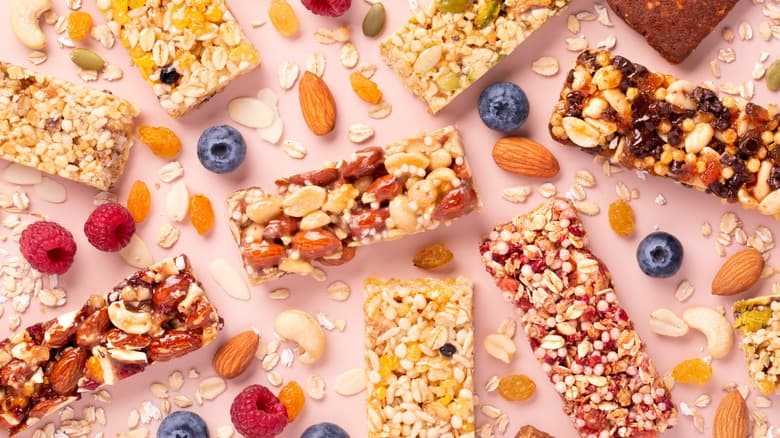
- Rising consumer demand for nutrient-dense, low-calorie snacks drives innovation within the global healthy snack industry.
- Integrative approaches combining traditional ingredients and modern processing techniques optimize nutritional profiles and sensory appeal.
- Production sustainability and clean-label transparency remain critical for adult consumers prioritizing health and environmental impact.
- Functional components such as adaptogens, probiotics, and plant-based proteins are increasingly incorporated into snack formulations.
- Industry trends illustrate a shift from processed snacks toward minimally refined alternatives enriched with fiber, antioxidants, and bioactive phytochemicals.
The market for healthy snacks targeted toward adult consumers has experienced considerable transformation over recent years. This shift is driven by increased awareness of nutrition's role in long-term wellness and chronic disease mitigation. In parallel, technological advancements and scientific research have enabled the development of snacks that not only satisfy appetitive needs but also confer measurable health benefits. Underpinning this evolution is a foundational understanding of adult nutritional requirements, metabolic profiles, and lifestyle factors that impact snacking behaviors. This article elucidates the key technical and scientific parameters shaping the healthy snack sector globally, emphasizing not merely nutrient content but also bioavailability, processing integrity, and ingredient provenance.
Defining Healthy Snacks for Adult Populations
Nutritional Criteria and Regulatory Frameworks
Establishing a precise definition of what constitutes a healthy snack for adults involves both nutrient profiling and regulatory considerations. International health authorities such as the World Health Organization and regional regulators provide guidance on macro- and micronutrient ranges conducive to adult health maintenance. Typically, healthy snacks are characterized by low levels of added sugars, saturated fats, and sodium, paired with enhanced fiber, vitamins, and minerals. Nutrient profiling systems—such as the Nutri-Score or the Health Star Rating—quantify these parameters to standardize consumer information. However, disparities in regulatory approaches can impact product formulation and marketing, necessitating alignment with localized standards while optimizing nutritional quality.
Physiological and Metabolic Considerations in Adult Snacking
Adults exhibit diverse metabolic demands influenced by age, gender, activity level, and comorbidities such as diabetes or cardiovascular disease. Snacking interventions aimed at this demographic must consider glycemic response modulation, satiety enhancement, and the provision of essential nutrients that support cognitive and physical function. Additionally, digestive health plays a pivotal role, with prebiotic fibers and probiotics gaining prominence to enhance gut microbiota composition and systemic health. The timing and portion size of snacks contribute to circadian metabolism and energy balance, further complicating formulation strategies within the healthy snack sector.
Ingredient Selection and Functional Additives
Traditional Ingredients with Scientific Validation
The incorporation of ingredients with ethnopharmacological and nutritional traditional use substantiates many modern healthy snack formulations. Examples include nuts—rich in unsaturated fats and micronutrients—and seeds packed with omega-3 fatty acids and lignans. Furthermore, fermented products deliver bioavailable nutrients and probiotics, enhancing digestive and immune health. The advent of superfood powders from botanicals such as turmeric, matcha, and moringa introduces anti-inflammatory and antioxidant properties. Scientific validation through clinical trials and phytochemical analyses provides empirical support for these ingredients' inclusion, influencing consumer trust and regulatory acceptance.
Innovative Functional Components and Novel Additives
Emerging functional additives refine snack efficacy by targeting specific health outcomes. Adaptogenic herbs such as ashwagandha are integrated to modulate stress responses, while plant-based proteins derived from peas, chickpeas, or lupins serve as alternatives to animal proteins with well-documented amino acid profiles. Additionally, incorporation of resistant starches and novel fibers fosters favorable glycemic indices and promotes satiety. Extraction technologies preserving bioactive compounds during processing are critical to maintain functional integrity. The complexity of ingredient interactions requires rigorous testing to optimize palatability and nutritional claims concurrently.
Processing Technologies and Their Impact on Nutritional Quality
Minimal Processing and Preservation Techniques
The application of minimal processing methodologies—such as cold pressing, air drying at controlled temperatures, and high-pressure processing—protects heat-sensitive nutrients and bioactives. This approach aligns with consumer demand for clean-label products free from synthetic preservatives. Techniques like vacuum frying reduce acrylamide formation while retaining desirable textures, positioning them favorably against traditional deep-frying. Modified atmosphere packaging further extends shelf life without compromising product integrity. Importantly, these methods harmonize quality retention with cost-efficiency and scalability for industrial production.
Food Matrix Interactions and Nutrient Bioavailability
Processing impacts the structural matrix of snack components, affecting nutrient release and absorption kinetics. For example, extrusion cooking alters starch granule morphology, which can either improve or hinder digestibility depending on parameters employed. The encapsulation of sensitive bioactives within lipid or polysaccharide matrices enhances stability during digestion and absorption phases. Understanding these interactions enables formulation scientists to predict the bioefficacy of healthy snacks and optimize ingredient synergies to maximize nutritional benefit in adult consumers.
Market Trends and Consumer Behavior Influencing Development
Demand for Transparency and Ethical Sourcing
Adults increasingly prioritize transparency in ingredient sourcing, production ethics, and sustainability impact in their snack selections. Traceability systems leveraging blockchain and digital labeling solutions ensure provenance verification and reduce opportunities for adulteration. Ethical practices—such as fair trade certification and environmentally sustainable agriculture—resonate strongly with consumers who associate corporate responsibility with product quality and personal health outcomes. These factors are integrated into product positioning and influence supply chain management decisions across the industry.
Customization and Personalized Nutrition Paradigms
Advances in nutrigenomics and metabolomics are catalyzing a movement towards personalized nutrition, influencing healthy snack offerings. Products tailored to genetic polymorphisms, microbiome profiles, or lifestyle parameters present opportunities to enhance individual health outcomes. Although still emergent, this trend prompts industry investment in modular product platforms capable of accommodating specific nutrient profiles and functional additives. Real-time feedback via mobile health applications further informs consumer choices and creates interactive brand engagement models within the adult snacking domain.
Expert Analysis & FAQ
What are the primary nutritional benchmarks for formulating healthy snacks aimed at adults?
Primary nutritional benchmarks encompass restrictions on added sugars (typically less than 10% of total calories), low saturated fat content, and limited sodium levels aligned with daily intake recommendations. Additionally, incorporation of at least 2-3 grams of dietary fiber per serving is encouraged to support digestive health. Inclusion of essential micronutrients such as magnesium, potassium, and B vitamins supplements with functional bioactives enhances health benefits tailored to adult physiology.
How does processing technique influence bioavailability of key nutrients in healthy snacks?
Processing techniques can modulate nutrient bioavailability by altering molecular structures and interactions within the food matrix. For example, gentle drying preserves heat-labile vitamins like vitamin C and certain polyphenols, whereas high-heat extrusion may degrade these compounds but improve starch digestibility. Encapsulation technologies protect sensitive bioactives during digestion, enhancing their absorption. Therefore, selecting appropriate processing methods is vital to balance sensory properties and nutritional efficacy.
What functional ingredients demonstrate the most promise for addressing adult metabolic and cognitive health through snacking?
Functional ingredients with demonstrated efficacy include omega-3 fatty acids, which support cognitive function and cardiovascular health; polyphenols endowed with antioxidant and anti-inflammatory actions; adaptogens that mitigate stress-related metabolic disruption; and dietary fibers promoting glycemic control and gut microbiome modulation. Emerging research into probiotics also indicates positive effects on brain-gut axis regulation. Selecting such components requires validation of bioactivity and consideration of synergistic formulation effects.
How are sustainability and consumer demand influencing future developments in adult healthy snacks?
Sustainability considerations are shaping ingredient sourcing toward regenerative agriculture and plant-based alternatives with reduced environmental footprints. Consumer demand for transparency compels incorporation of clean labels without artificial additives. Future developments will likely feature circular economy principles, such as upcycled by-products valorization and biodegradable packaging. Furthermore, supply chain digitization ensures traceability and supports ethical claims, both of which are increasingly integral to consumer purchasing decisions within the adult health snack market.

-01KD4S8GHVH1NT0FRH7GT34R9G.png&w=1920&q=75)
-01KDPTWZK46J807GWP4X73Y87Z.png&w=1920&q=75)

-01KDASF8YW6858S22SH5R6PH8Y.png&w=1920&q=75)

-01KD67HF04FDH69VJ2GCH54FM5.png&w=1920&q=75)