- THCA flower's emergence signals a paradigm shift in cannabinoid consumption, driven by evolving legal frameworks and expanding scientific understanding.
- The non-psychoactive properties of THCA open substantial opportunities in medical and wellness markets, distinct from traditional THC products.
- Industry growth is propelled by advancements in cultivation, extraction, and analytical methods that ensure consistent product quality and regulatory compliance.
- Global market dynamics reveal increasing consumer acceptance, with regulatory landscapes adapting to accommodate THCA's unique pharmacological profile.
- Future trajectories suggest integration of THCA flower into broader cannabinoid applications, necessitating ongoing clinical research and standardized metrics.
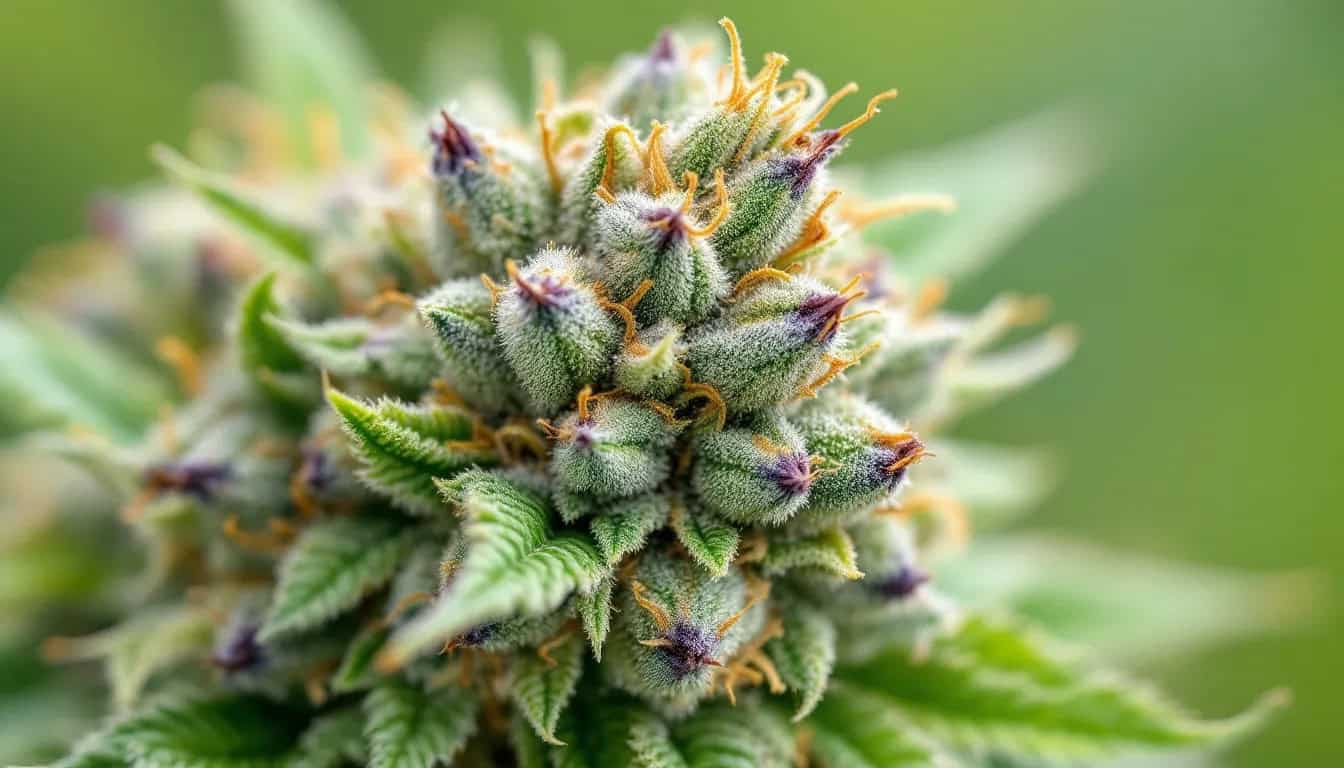
The emergence of tetrahydrocannabinolic acid (THCA) flower within the global cannabis market epitomizes a critical evolution in cannabinoid utilization and consumer demand. Unlike its well-known decarboxylated counterpart, delta-9-tetrahydrocannabinol (THC), THCA is the acid precursor found naturally in raw cannabis. Its non-psychoactive profile, coupled with promising therapeutic potential, distinguishes it as a novel category within cannabinoid products. This technical editorial elucidates the scientific, industrial, and regulatory dimensions that elucidate the rising prominence of THCA flower, emphasizing its molecular characteristics, cultivation challenges, market dynamics, and clinical implications.
Chemical and Pharmacological Properties of THCA
Molecular Structure and Biosynthesis
THCA is classified as a cannabinoid acid, synthesized in the glandular trichomes of Cannabis sativa plants through enzymatic conversion. Specifically, the enzyme tetrahydrocannabinolic acid synthase catalyzes the oxidative cyclization of cannabigerolic acid (CBGA) to THCA. This molecular precursor contains a carboxyl group (–COOH), which distinguishes it structurally and functionally from THC. The biosynthetic pathway is pivotal in influencing the final phytochemical profile of cannabis cultivars, especially those bred for elevated THCA content.
Pharmacodynamics and Non-Psychoactivity
Unlike THC, THCA does not bind effectively to central nervous system cannabinoid receptors CB1 and CB2 due to the carboxylation, rendering it non-psychoactive under normal physiological conditions. Nonetheless, preliminary pharmacological studies indicate that THCA may exert anti-inflammatory, neuroprotective, and anti-emetic effects via mechanisms possibly involving transient receptor potential (TRP) channels and peroxisome proliferator-activated receptors (PPARs). Its inability to cross the blood-brain barrier readily further differentiates its action profile from psychoactive cannabinoids, positioning THCA as a candidate for therapeutic use without intoxicating effects.
Cultivation and Processing of THCA Flower
Agronomic Techniques to Maximize THCA Yield
The cultivation of cannabis plants rich in THCA requires precision breeding and horticultural practices targeted at genetic profiles with high THCA synthase activity. Controlled environmental parameters such as lighting spectra, photoperiod, temperature, and nutrient availability significantly impact THCA accumulation in floral biomass. Additionally, harvest timing critically influences THCA concentration; earlier harvesting may yield higher THCA but lower biomass, while delayed harvest risks decarboxylation into THC through enzymatic and thermal processes.
Post-Harvest Handling and Stability Considerations
Preserving the integrity of THCA post-harvest entails minimizing exposure to heat, light, and oxygen, which catalyze decarboxylation to THC and degrade cannabinoid acids. Optimal drying and curing protocols ensure the maintenance of cannabinoid acid profiles. Moreover, packaging technologies that incorporate inert atmospheres or UV-protective materials further enhance shelf life and product consistency. Analytical verification using chromatography techniques such as High-Performance Liquid Chromatography (HPLC) is indispensable for confirming THCA content and purity.
Market Dynamics and Regulatory Landscape
Global Market Trends and Consumer Behavior
The global cannabis market has observed a marked increase in demand for non-intoxicating cannabinoid products, with THCA flower occupying a unique niche. Consumer segments prioritizing wellness and therapeutic applications show preference for raw cannabinoid acids, fostering a green wave of alternative products. Market reports indicate robust growth trajectories in North America, Europe, and select Asia-Pacific regions, with expanding legalization facilitating commercial expansion. Product differentiation strategies include emphasizing the entourage effect of raw cannabinoids and terpenes present in THCA flower.
Regulatory Considerations and Compliance Challenges
Regulatory frameworks governing THCA flower vary significantly across jurisdictions. In many regions, the legal status hinges on the measured THC content post-decarboxylation, complicating enforcement and product classification. Analytical standardization is emerging as a critical factor for compliance, with international bodies advocating validated methodologies for cannabinoid quantification. Moreover, health claims related to THCA require rigorous substantiation, necessitating alignment with regulatory agencies such as the FDA and EMA to avoid misbranding and ensure consumer safety.
Technological Innovations and Future Directions
Extraction and Analytical Technologies
Innovations in extraction methods—such as supercritical CO2 and cold ethanol extraction—optimize the recovery of THCA while preserving its acidic form. Integration of advanced chromatographic and spectrometric techniques ensures precise cannabinoid profiling, facilitating quality control. Emerging biosensors and portable analytical devices promise real-time, in-field THCA quantification, which can revolutionize supply chain transparency and authenticity verification.
Clinical Research and Therapeutic Applications
Ongoing clinical investigations aim to delineate the pharmacokinetics, safety, and therapeutic efficacy of THCA flower and formulations. Initial studies suggest potential applications in managing neurodegenerative disorders, inflammatory diseases, and chemotherapy-induced nausea. Nonetheless, the lack of extensive randomized controlled trials necessitates caution in therapeutic claims. Future research priorities focus on elucidating molecular targets, dosage optimization, and long-term safety profiles to establish evidence-based guidelines.
Expert Analysis & FAQ
What differentiates THCA flower from traditional THC-dominant cannabis products in terms of consumer impact?
THCA flower is chemically distinct due to its carboxylated form, which prevents it from binding effectively to CB1 receptors that mediate psychoactive effects. Consequently, consumers experience minimal to no intoxication, offering an alternative for individuals seeking therapeutic benefits without cognitive impairment. This fundamental difference affects user demographics, product positioning, and regulatory classification.
How do cultivation practices influence the THCA concentration and overall quality of the flower?
Cultivation influences not only the cannabinoid profile but also terpene content and biomass yield. Genetic factors determine the plant's innate capacity to biosynthesize THCA, while environmental controls modulate enzymatic activity and metabolite stability. Harvest timing and post-harvest processing are critical variables; premature harvest may yield lower biomass with higher THCA concentration, whereas improper drying can degrade THCA into THC, altering product characteristics.
What are the primary regulatory challenges facing the commercialization of THCA flower globally?
Regulatory challenges principally involve classification ambiguities due to the THCA to THC conversion potential, inconsistent analytical standards, and restrictions on therapeutic claims. Jurisdictions that regulate cannabis based on psychoactive THC thresholds must implement precise decarboxylation assessments to differentiate lawful THCA flower from illicit THC products. Additionally, the absence of harmonized global standards complicates cross-border commerce.
What future technological developments could enhance the quality and market adoption of THCA flower?
Advances in genetic engineering may yield cultivars with optimized THCA biosynthesis pathways, enhancing potency and consistency. Improved extraction methodologies that retain cannabinoid acids and novel delivery systems could expand consumer options. Furthermore, portable and non-destructive analytical tools could enable real-time monitoring throughout the supply chain, ensuring product integrity and boosting consumer confidence.
-01KDXTJ701BJDNFF13XW7D6GP9.png&w=1920&q=75)
-01KDSBJNFSQPP4H6JNMSSZYMW6.png&w=1920&q=75)
-01KDXTS4FQJ3ZT00MC0EFB7N63.png&w=1920&q=75)