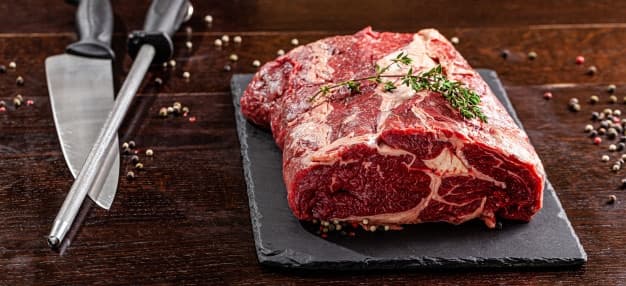
- Lean meats are driving a significant shift in global dietary patterns due to their favorable health profiles and nutritional benefits.
- Advancements in animal husbandry and processing technologies have optimized the production and availability of lean meat cuts worldwide.
- Scientific evidence consistently links lean meat consumption with reduced risks of cardiovascular diseases and obesity when incorporated in balanced diets.
- The lean meats market is expanding parallel to increasing consumer awareness and evolving regulatory frameworks promoting healthier food options.
The lean meats category has emerged as a pivotal component in contemporary nutrition science and global food production economics. Defined primarily by their low total fat and saturated fat content relative to their caloric value, lean meats traditionally originate from beef, pork, poultry, and game species, with poultry and certain fish varieties increasingly recognized within this classification. The prominence of lean meats in health-conscious consumer segments aligns with epidemiological data underscoring the benefits of moderate protein consumption accompanied by restricted intake of lipids adverse to cardiovascular health. Concurrently, technological innovations across the production chain facilitate selective breeding, feed optimization, and post-slaughter processing methods, thereby enhancing lean meat yield without compromising animal welfare or product quality.
Global Production Dynamics of Lean Meats
Advancements in Livestock Management
Livestock management practices have progressively integrated biotechnological and nutritional strategies aimed at maximizing lean muscle accretion while minimizing fat deposition. Selective breeding programs, founded on genomic selection criteria, effectively identify and propagate genetic profiles conducive to lean meat production. Nutritional interventions, including tailored feed compositions and controlled growth regimens, further modulate body composition in favor of lean tissue. These methodologies collectively contribute to an improved ratio of lean meat per animal, driving production efficiency. Climate-controlled housing and stress mitigation techniques also play crucial roles in preserving muscle integrity and reducing the incidence of lipid infiltration, thereby enhancing product consistency and consumer acceptability.
Processing Innovations and Quality Control
The processing segment increasingly employs mechanical and enzymatic interventions to separate lean meat from fat and connective tissues with minimal loss of yield. Techniques such as low-temperature deboning and water-based mechanical separation result in higher proportions of lean protein extraction. Simultaneously, enhanced quality control frameworks employ near-infrared spectroscopy (NIRS) and imaging technologies to rapidly quantify fat content and ensure compliance with regulatory definitions of lean meat. Packaging innovations, including vacuum and modified atmosphere packaging, extend shelf life and preserve sensory attributes by limiting oxidative damage, which could otherwise lead to quality deterioration. Collectively, these technological improvements enable a consistent supply of lean meat products tailored to stringent nutritional standards.
Nutritional and Health Implications of Lean Meat Consumption
Macronutrient Composition and Dietary Significance
Lean meats constitute a concentrated source of high biological value proteins, essential amino acids, micronutrients such as iron (heme iron form), zinc, and B-complex vitamins, notably vitamin B12. The reduced lipid fractions predominantly consist of unsaturated fatty acids when sourced from specific species or production systems, further augmenting their nutritional profile. The reduced saturated fat content is principal in mitigating serum cholesterol levels and atherogenic lipid profiles. These characteristics make lean meats a vital component in diet formulations aimed at muscle maintenance, metabolic regulation, and prevention of nutrient deficiencies, particularly in vulnerable populations such as the elderly and athletes.
Correlations with Chronic Disease Risk Reduction
Emerging clinical trials and longitudinal cohort studies provide robust evidence linking frequent intake of lean meats with favorable outcomes in cardiometabolic health parameters. These studies demonstrate associations between lean meat consumption and lower incidences of ischemic heart disease, stroke, and obesity-mediated pathologies. Mechanistically, lean meats support improved satiety and energy balance without excessive caloric load from fat, facilitating weight management. Epidemiological data also reveal that replacing higher-fat red meats or processed meat products with lean meat alternatives decreases inflammatory biomarkers and oxidative stress indicators. Nonetheless, expert consensus emphasizes the need for balanced dietary patterns encompassing plant-based components to optimize health outcomes.
Market Trends and Regulatory Environment
Consumer Demand and Industry Growth
The demand trajectory for lean meats is propelled by shifting consumer preferences toward health-oriented food choices and greater nutritional literacy. Market analytics indicate expanding segments in developed and emerging economies, with premium lean meat cuts commanding higher price premiums due to perceived quality and health benefits. Retail channels and foodservice industries increasingly incorporate these products into value-added offerings. The growth is further stimulated by digital platforms disseminating dietary information and facilitating direct-to-consumer sales. In parallel, the rise of flexitarianism and reduced meat consumption models positions lean meats as a compromise between traditional meat-high diets and vegetarian alternatives.
Regulatory and Labeling Frameworks
Global regulatory agencies have established stringent criteria for the classification and labeling of lean meats to prevent consumer misinformation and promote transparency. Definitions often specify maximum allowable fat percentages on a weight basis — for example, less than 10% fat in beef or pork cuts and under 5% in poultry. Nutritional labeling mandates disclosure of macronutrient profiles and allergenic potential. In addition, regulatory oversight extends to claims related to health benefits, necessitating evidence-based substantiation. International harmonization efforts seek to standardize lean meat definitions, fostering trade and market expansion while safeguarding public health interests.
Expert Analysis & FAQ
What factors influence the fat content variations within lean meat categories?
Fat content variability in lean meats arises from multiple factors including species genetics, breed selection, age at slaughter, feeding regimen, and anatomical cut location. Intramuscular fat deposition, or marbling, is influenced by genetic predisposition and nutritional energy density. Moreover, stress during pre-slaughter handling can induce catabolic changes impacting fat distribution. Consequently, lean meat classification requires comprehensive evaluation incorporating these variables to accurately assess compliance with established fat content criteria.
How do lean meats compare nutritionally with plant-based protein sources?
While lean meats provide complete protein profiles with high digestibility and essential micronutrients like bioavailable iron and vitamin B12, plant-based proteins often require combination to achieve similar amino acid completeness. Plant proteins may also contain fibers and phytochemicals conferring additional health benefits but can be limited in micronutrients predominantly sourced from animal products. Therefore, lean meats complement plant-based proteins in diversified diets, contributing to optimal nutrient adequacy.
What are the sustainability considerations related to lean meat production?
Lean meat production sustainability hinges on optimizing feed efficiency, minimizing greenhouse gas emissions, and reducing waste through improved processing technologies. Advances in precision farming, rotational grazing, and alternative protein feeds contribute to mitigating environmental impacts. However, balancing lean meat yield enhancement with resource conservation remains complex, necessitating integrated lifecycle assessments and adoption of circular economy principles within the livestock sector.
Are there established guidelines for integrating lean meats into therapeutic diets?
Clinical nutrition guidelines recommend incorporating lean meats as part of balanced therapeutic diets for managing conditions such as cardiovascular diseases, diabetes, and chronic kidney disease. Controlled portion sizes, cooking methods that limit added fats, and selection of lean cuts ensure adherence to dietary restrictions. Nutritionists emphasize synergy with plant-based fiber sources and monitoring of individual patient responses to tailor lean meat inclusion effectively.
-01KD67HF04FDH69VJ2GCH54FM5.png&w=1920&q=75)
-01KDAJSQ797M9RSNAQPG3MKX6B.png&w=1920&q=75)
-01KD66WX4RVS008VWAZ61ZNTX7.png&w=1920&q=75)
-01KE0K7VYW6WP16YH8PK26SQE6.png&w=1920&q=75)
-01KD64K0B78XC7M6T40STC7VXH.png&w=1920&q=75)
-01KDASF8YW6858S22SH5R6PH8Y.png&w=1920&q=75)
-01KD4V6XN9WMSMVYBF391ATTK9.png&w=1920&q=75)